Full Pinoy Breakfast

Full Pinoy Breakfast

Hello Everyone! I can’t believe that we’re nearing the end of November! The month went by so quickly and before we know it, the year will be over too. I’m not going to say that tonight will be the last of my Filipino breakfast series because expect more for the month of December. The only twist is that I will be sharing Filipino Christmas Breakfast treats, so stay tuned for that! I will also be sharing with you a Noche Buena Special next month be sure to so look out for that too!

Tonight’s recipe is a dish that draws inspiration from a Full English Breakfast – but with a Filipino twist to it. I’m not sure if this has been done before (I’m sure it has), but nevertheless, I’ve swapped out traditional English Breakfast ingredients with its Filipino counterpart i.e. sausages for longganisa, toast for pandesal, and so on. I came across this idea while researching the top favourite Filipino Breakfast dishes and it clicked into mind: “what if I substitute the ingredients from a Full English Breakfast and make a Filipino version of it?”

The end result definitely put a smile on my face, and I’m sure it will do the same for you.
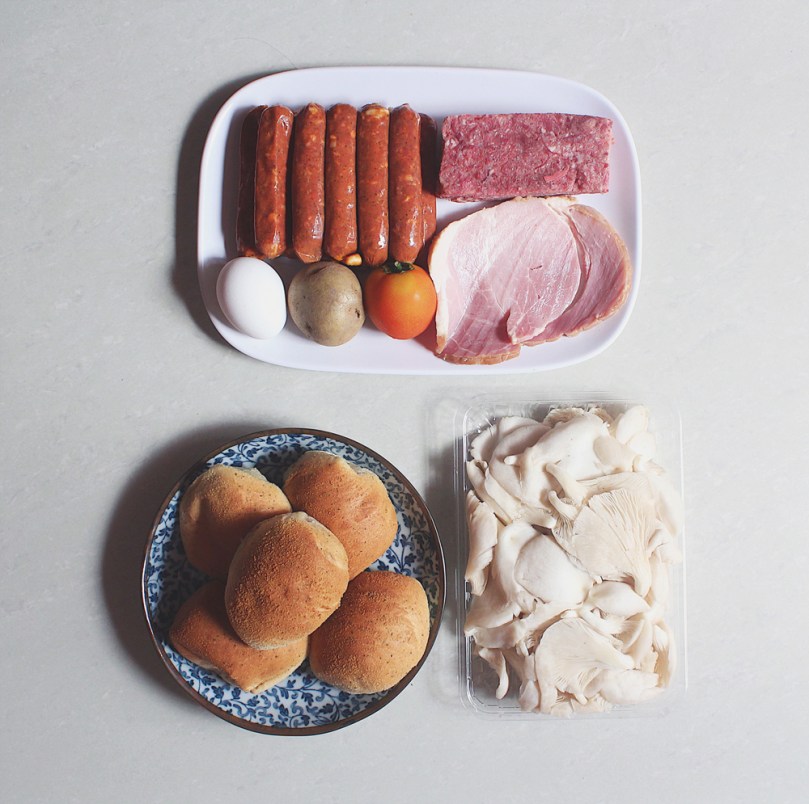
Full Pinoy Breakfast Ingredients

PREP TIME 10 MINS | COOKING TIME 20 MINS | SERVES 4

INGREDIENTS

  • 250g fresh corned beef
  • 250g oyster mushrooms*
  • 12 Vigan longganisa**
  • 8 freshly baked malunggay pandesal***
  • 4 large free range eggs
  • 4 slices of pineapple-marinated holiday ham****
  • 4-5 garlic cloves, minced
  • 1 small potato, diced
  • 1 small red onion, halved and sliced
  • Knob of unsalted butter
  • Salt and freshly ground black pepper, to taste

To garnish

  • Lettuce leaves
  • Tomatoes, sliced

*Or any other type such as button, cup, or Portobello, whichever is readily available and fresh at your local market or grocers. In my case, the oyster mushrooms were the freshest from the rest.

**Quantity depends on the size and type, more if you get the smaller ones.

***You can bake your own pandesal or you can pop over to your nearest pandesal stall (ours is just a 2 minute walk from our house) and buy at 3 pesos a piece of freshly baked malunggay pandesal.

Malunggay Pandesal

****Since Christmas is nearing, Hamon de Bola (Ham Ball or Holiday Ham) can now be found in every grocery store nationwide! Since this is our first time being back in the Philippines for good, we’ve been scouting around for the best tasting Holiday Ham by just buying slices of the various brands out there before buying the whole ball to serve for our upcoming Noche Buena Feast next month.

METHOD

Get ready for some one-pan action!

  1. Preheat oven to 90C (190F) just hot enough to keep each element of the dish warm as we work through each one of them individually. Place your store-bought pandesal into the oven.
  2. Fried Egg: Heat a large frying pan over medium-high heat with about a tablespoon of oil. Crack the eggs gently into the pan to keep the yolks intact. Don’t overcrowd the pan, so if needed, fry the eggs in batches.
  3. Cook until the tops of the whites are set, but the yolk is still runny. Browned and crispy on the edges with a golden liquidy yolk is how I like my fried eggs! Transfer to a heat-proof plate and set aside in the oven.
  4. Garlic Sautéed Mushies: In the same pan, add half of the minced garlic and sauté until fragrant and golden brown, about 30 seconds. Add in the mushrooms and cook until softened, about 3 minutes.
  5. Add a knob of unsalted butter, and season with a touch of salt and freshly ground black pepper. Give it one good stir to combine and transfer to a small heat-proof bowl. Set aside in the oven.
  6. Corned Beef: Add about a tablespoon of oil to the pan and sauté the remaining minced garlic until fragrant and golden brown, about 30 seconds. Add in the onions and cook until soft for about 1 minute before adding in the corned beef.
  7. Continue to cook for 5 to 6 minutes, seasoning with a touch of fragrant and golden brown, about 30 seconds. Add in the diced potatoes and cook further until the potatoes are soft, about 2-3 minutes. Once done, set aside in a small heat-proof bowl and set aside in the oven.
  8. Longganisa: Wipe down the pan with a kitchen towel tissue and add about a quarter cup of water to the pan together with the longganisa. Bring the water to a boil. Roll the longganisa occasionally and continue to boil until the water in the pan evaporates.
  9. When the water has fully evaporated, let the longganisa fry in its own oil. Continue to fry the longganisa for about 5 minutes while constantly rolling them around to cook evenly on all sides. When the longganisa is slightly crisp on the outside, it’s done! Set aside on a heat-proof plate lined with a paper towel to absorb any excess oil. Set aside in the oven to keep warm.
  10. Holiday Ham: Again, wipe down the pan with a kitchen towel tissue and add about a tablespoon of oil. Add the ham slices to the pan and fry until golden brown both sides. Set aside on a single plate lined with a paper towel to absorb any excess oil.
  11. Plate Up: Remove all the cooked elements from the oven and plate up accordingly into four individual serving plates. Garnish with fresh lettuce leaves and fresh sliced tomatoes. Serve with coffee or any hot beverage of your choice and here you have it! Enjoy a Full Filipino Breakfast for the upcoming weekend!
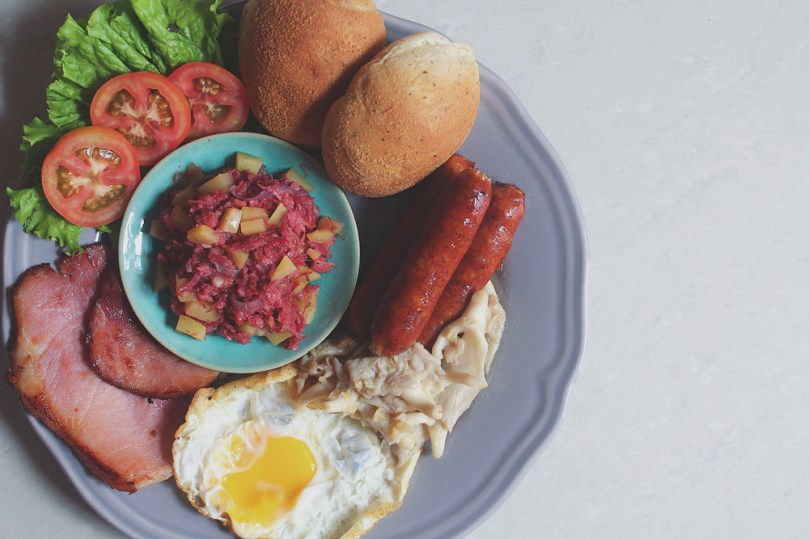
Full Pinoy Breakfast

Full Pinoy Breakfast

BON APPÉTIT

– Ally xx

myTaste.com

Classic Champorado (Chocolate Rice Porridge)

Classic Champorado (Chocolate Rice Porridge)

Hello Everyone! I hope everyone has had a fantabulous week so far and will have a great week ahead with the weekend to look forward to. Tonight I will be sharing a Filipino breakfast staple that is sure to spark some doubts, especially amongst those who aren’t very familiar with this foreign food pairing. Let me explain further.

Champorado, or in English, Chocolate Rice Pudding, is a classic dish found in many homes across the Philippines commonly served for breakfast. Chocolate for breakfast sounds like a heavenly dream doesn’t it? But wait, there’s a catch! Champorado is usually served with a piece of Tuyo, which in English is known as dried salted fish! Chocolate and dried salted fish?! That sounds like a bizarre combination!

Classic Champorado (Chocolate Rice Porridge)

Is it really though? While the sound of pairing chocolate together with fish seems like whoever came up with this combination was stoned, drunk, or suffered a milk mild concussion, let’s look at the flavour profiles instead. Okay before I continue, I would like to take a small shortcut – I had a major laugh fit when proof reading what I wrote above… What even is a milk concussion?!

Anyway, continuing on, there are a lot of impeccable desserts and sweet dishes out there that embrace the salty-sweet combination, and that’s exactly what you get from Champorado and Tuyo. It’s exactly like eating salted chocolate! The dried salted fish, which is shredded and mixed into the Champorado adds pops of salty surprises to each spoonful of the sweet chocolate rice porridge that you take.

Still not convinced? As the say, don’t judge a book by it’s cover if you haven’t tried it yet. Otherwise, you could get away with adding a pinch of rock salt into your Champorado – but it won’t be the same.

Classic Champorado (Chocolate Rice Porridge) Ingredients

PREP TIME 5 MINS | COOKING TIME 25 MINS | SERVES 8

INGREDIENTS

  • 5 pieces tsokolate tablea*
  • 1 cup glutinous rice
  • 6 cups water
  • 3 tbsp brown sugar

Topping choices

  • Cacao nibs
  • Fried tuyo
  • Full cream milk
  • Sweetened condensed milk
  • Other dairy alternatives such as almond milk and/or coconut milk

*Tsokolate tablea, or literally translated to chocolate tablets is dried local cocoa beans roasted for a few hours before being ground to a rich, chocolate-y paste. Sugar, most often muscovado, is then added to the paste before it is shaped into balls or tablets, hence its name. Tsokolate tablea is traditionally used to make Champorado, but other alternatives such as unsweetened cocoa powder or a dark chocolate bar can be used in its place.

METHOD

  1. Pour the water into a large heavy bottom saucepot over medium-high heat and bring to a brisking boil. Add in the tablea chocolate and dissolve. Once dissolved, add in the rice and bring back to a boil.
  2. Once boiling, turn the heat down to reduce to a simmer and stir the rice every 3 minutes or so to prevent it from sticking to the bottom of the pot and burning. Leave uncovered to cook further for another 15 to 20 minutes until the water is absorbed and the rice is cooked through. The consistency should be thick but soft, just like porridge.
  3. Add in the brown sugar and stir to combine until dissolved. Remove from the heat and transfer into individual serving bowls. Top with dairy of choice and fried tuyo (optional for those feeling adventurous).
  4. Serve and enjoy!

Classic Champorado (Chocolate Rice Porridge)

Note: Even after cooking with the heat turned off, the glutinous rice will continue to expand and absorb the liquid, therefore it is important to serve it immediately to avoid dry Champorado.

You may also like to add a bit of chilli to your Champorado. It is not traditionally a spicy dish, but if you want that extra kick to the guts to get you going in the mornings, then go for it! Chocolate and chilli afterall is another classic flavour combination!

BON APPÉTIT

– Ally xx

myTaste.com

Level Up Instant Noodles

Level Up Instant Noodles

Hello Everyone! When you think of breakfast, it should be quick to prepare and warm up your empty stomach – if you’re in a rush that is. It should also be filling. You can find all those characteristics in instant noodles!

Comfort food for some, a staple for the rest – instant noodles in the Philippines is favoured by many, either dry or with a soup base. A hot bowl of soup with noodles in the morning gets us going through the day. You simply put a block of noodles in briskly boiling water for about 3 minutes, stir in the seasonings and pour it into a bowl. Tada! Breakfast is solved! Just remember, eating instant noodles is not commendable, but we can still eat them in moderation.

Level Up Instant Noodles

This is how I normally like to have my instant noodles for breakfast once a week – boiled and tossed in its packet seasonings and topped with fried egg with a runny yolk. I also add in more chilli powder just because I love a good hard kick of spice, and a squeeze of fresh calamansi juice for a bit of tang. But of course, I’m not going to just write up a recipe for instant noodles with fried egg for you…

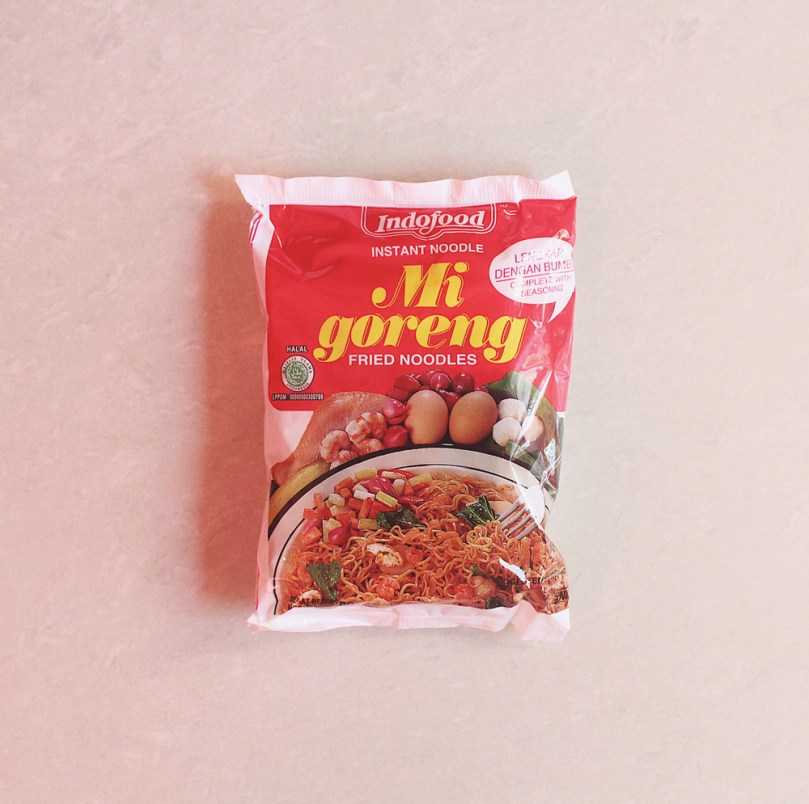
There’s only one type of instant noodles you’ll see me eating, and that’s Indofood Mi Goreng, which if not mistaken, can be found in Indonesia and is only distributed in Brunei. I’m sure most of my follow Bruneians have seen lots and lots of boxes of these being checked-in by almost every single Filipino passenger (myself included), so it’s no doubt that this particular brand of instant noodles is a big hit with our community.

Level Up Instant Noodles

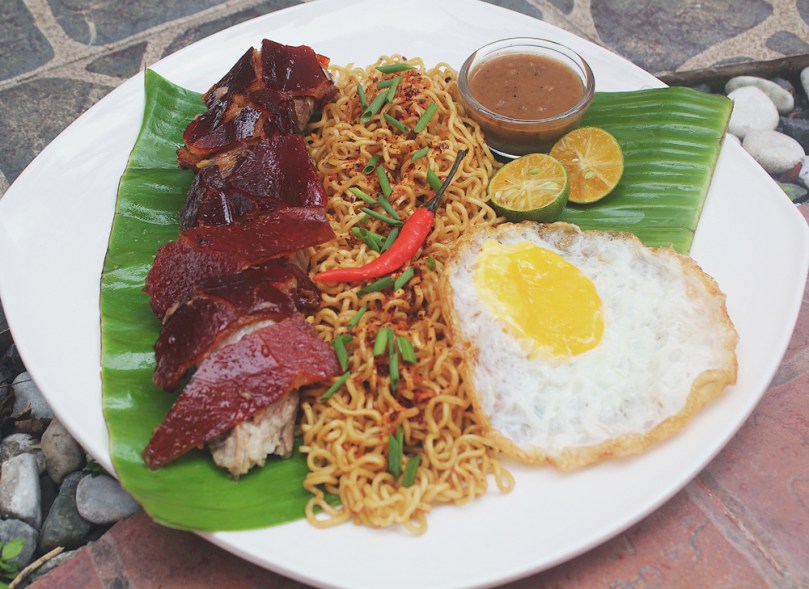
I recently saw a hashtag thread on Instagram for #JazzedUpInstantNoodles and that’s where the inspiration came from. Since instant noodles is a heavy favourite, not only amongst Filipinos, but also across the Asian (and most likely Western) community, I’ll be sharing with you tonight my version of Level Up Instant Noodles, the Filipino way of course. When I say Filipino way, I mean by using Filipino favourites like Lechon to mash up with my favourite pack of instant noodles for a super filling breakfast!

Level Up Instant Noodles

PREP TIME 5 MINS | COOKING TIME 5 MINS | SERVES 1

INGREDIENTS

  • 1 packet (80g) Indofood Mi Goreng, or any other instant noodles
  • 150g of spit-roasted lechon, cooked
  • 1 bird’s eye chilli, chopped
  • 1 calamansi, halved
  • 1 large free range egg
  • Chilli powder, to taste
  • Lechon sauce
  • Spring Onions, chopped

METHOD

  1. Heat a large frying pan over medium-high heat with about a tablespoon of oil. Crack the egg gently into the pan to keep the yolks intact. Cook until the tops of the whites are set, but the yolk is still runny. Browned and crispy on the edges with a golden liquidy yolk is how I like my fried eggs! Transfer to a small plate and set aside.
  2. Bring a small pot of water to a boil over high heat. Add the block of instant noodles and cook until al dente, about 3 minutes.
  3. Once the noodles are done, drain and return them to the pot with a little bit of the cooking water. Mix in thoroughly the packet seasonings and extra chilli powder.
  4. Transfer to a serving plate together with the lechon and fried egg. Top with extra chilli powder and spring onions. Enjoy!

Level Up Instant Noodles

You can buy small portions of lechon at your local market if they sell it there rather than the whole pig. I got mine from our local weekend market that sells for P700 a kilo. I usually go for the liempo (belly) part because there are less bones and is juicier that other parts. However, it is also the fattiest part of the pig. What I usually do it throw out the fat, but is also such a waste in terms of paying for the fat included. Dilemma.

Of course, there are many other ways in which you can level up your instant noodles at home. A growing popular trend in Brunei and across certain parts of Asia as well is to add salted egg to everything. You can now have Mi Goreng coated with salted egg sauce, or even Mi Goreng with Ayam Penyet (fried chicken) that’s drenched in salted egg sauce! The possibilities are endless and it’s up to you to pair your favourites and get creative in the kitchen!

Level Up Instant Noodles

BON APPÉTIT

– Ally xx

myTaste.com

Taho (Silken Tofu with Syrup & Tapioca Pearls)

Taho (Silken Tofu with Syrup & Tapioca Pearls)

Hello Everyone! So usually a new month on the blog means a new theme as well, but this time around I’ve decided to continue sharing Filipino breakfast favourites as there are so much more to cover than just the –silog dishes!

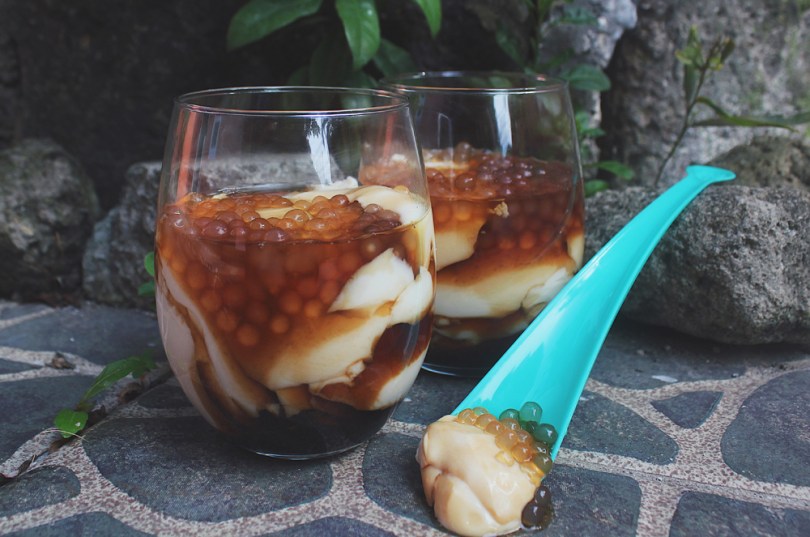
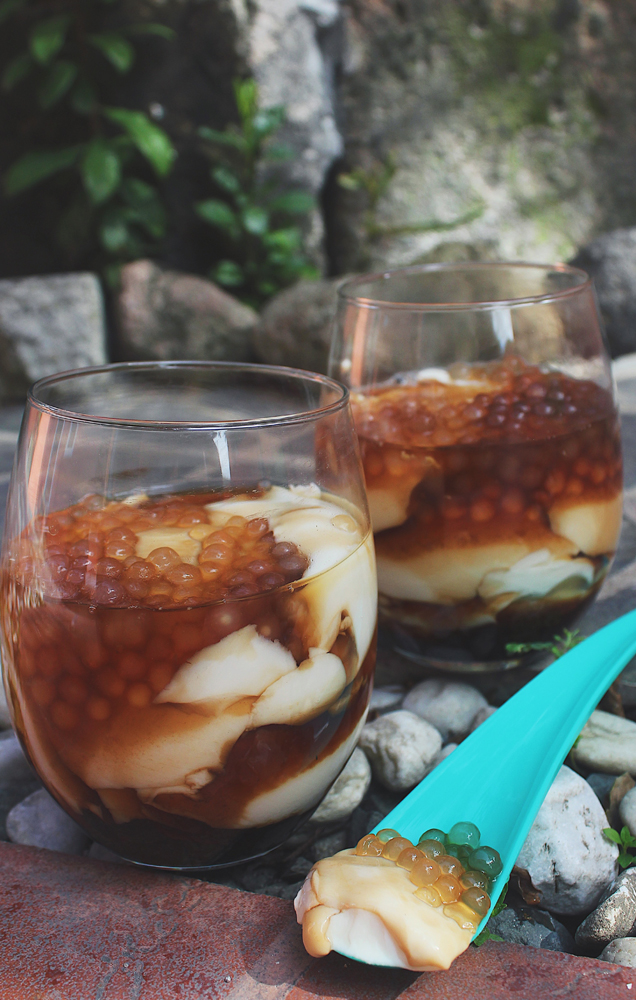
Tonight I will be sharing with you a popular breakfast protein in a cup known as Taho, pronounced tah-ho. It is basically warm bland silken tofu that is sweetened with a caramelised sugar syrup known as arnibal, and is topped with tiny sago (tapioca) pearls. The tofu base is as fine as custard that practically disintegrates into your mouth at every slurp. The arnibal imparts a warm, molasses-like aroma, and addition to the sweetness it brings to lift the tofu, it also gives it an earthy dimension. The sago? Ties the whole cup together by giving it some bite. It is a perfect breakfast to-go that warms your insides, is filling, and has enough sugar to get you through the morning.

Traditionally, taho vendors hawk their product using a yoke-and-bucket system that is hundreds of years old. Two aluminium buckets are suspended from each end of a bamboo pole – one containing the silken tofu, and the other carrying the arnibal, sago, and other necessities like plastic cups, spoons, and the day’s takings. Taho vendors balance their signature contraption on one shoulder and walk the streets in the mornings calling out “tahhoooooo” drawing out the second syllable for as long as their breath can handle.

As easy as it is to get taho from vendors, it is also just as easy to make it at home yourself with either store-bought silken tofu, or by making your own at home with instant or Homemade Soy Milk with a coagulant agent to help aid in the curdling of the soy milk to form taho – in this case, the recipe uses Epsom salt. Original recipe can be found over on Foxy Folksy.

Taho (Silken Tofu with Syrup & Tapioca Pearls)

PREP TIME 5 MINS | COOKING TIME 20 MINS | SERVES 4

INGREDIENTS

For the silken tofu

  • 2 cups unsweetened soy milk, instant or homemade
  • 1/8 cup water
  • 1 tbsp + 1 tsp cornstarch
  • 2 & 1/2 tsp (leveled) Epsom salt

For the arnibal

  • 1 cup brown sugar
  • 1 cup water
  • 1/4 cup small-sized tapioca pearls, uncooked

METHOD

If using store-bought silken tofu, skip ahead to step 6

  1. Taho: In a large cooking pot over the stove, place a heat-proof bowl that is big enough to hold at least 500ml of liquid in it.
  2. Dissolve the cornstarch in 1/8 cup of water in a small bowl. Add the Epsom salt to the mixture and then stir until dissolved.
  3. Pour the mixture into the prepared bowl in the cooking pot. Then slowly pour in the instant/homemade soy milk to the cornstarch and Epsom salt mixture. DO NOT STIR! Once both mixtures are combined, try not to agitate it otherwise it will not curdle smoothly.
  4. Pour boiling water into the pot just enough to be on the same level of the soy milk mixture in the bowl. Cover the pot with the lid wrapped with a clean cloth to absorb the steam and prevent the droplets formed from dripping into the taho mixture.
  5. Turn the heat to medium-low and let the taho cook for about 15 to 20 minutes or until it is firm to the touch but still wiggly. While waiting for the taho to cook, you can prepare the arnibal and tapioca pearls.
  6. Arnibal: Combine equal parts of brown sugar and water in a small pot and bring it to a boil over medium heat. Stir occasionally and let it simmer until it thickens into a syrup, about 7 to 10 minutes.
  7. Tapioca Pearls: In a small pot, bring to a boil about a half litre of water before adding the tapioca pearls in. Leave to cook for about 10 minutes. Cooking time may vary depending on the size of your pearls.
  8. Place a colander or strainer in a bowl or pot and pour the pearls through to separate them from the water. Pour the same water used back into the cooking pot and bring the water to a boil again.
  9. Wash the strained tapioca pearls thoroughly with tap water and then place it back into the pot of boiling water again. Cook further until they become completely translucent ensuring that there are no white spots at the core.
  10. Serve: Using a wide spoon or ladle, make thin scoops of taho and transfer to a glass or mug. Top with the arnibal syrup and tapioca pearls. Enjoy while it’s warm!

Taho (Silken Tofu with Syrup & Tapioca Pearls)

You can find taho vendors almost in every corner – everywhere! There’s usually a vendor just outside the entrance to the weekend market where my Mom and I do our weekly groceries. I also remember coming across a taho vendor on the beach as well. In fact, we have our own taho vendor who comes on his bicycle every morning around 9am yodeling “tahhoooooo” on our street. Occasionally we’d call out to him for a cup (or two) of delicious taho, and since he comes right to our doorstep, we opt to use our own ceramic cups/mugs instead of the plastic cups he usually serves them in – we need to do what we can to reduce plastic waste!

In Baguio City, Strawberry Taho is a big hit where locally grown strawberries from the region are preserved as chunky jam and then added to the bland tofu instead of arnibal. Make you own chucky strawberry jam at home with my Homemade Strawberry Jam to bring the City of Baguio into your kitchen!

BON APPÉTIT

– Ally xx

myTaste.com