Mee Goreng Mamak (Mamak-style Stir-Fried Noodles)

Mee Goreng Mamak (Mamak-style Stir-Fried Noodles)

Hello Everyone! We’re venturing forward on our Flavours of Southeast Asia journey through Malaysia with a dish that’s very close to my heart. Now, you probably already know that there are countless recipes for mee goreng (fried noodles), that vary depending on its country or region of origin, but tonight in particular, I will be sharing a Mamak-style mee goreng dish; a staple of ours that we would always order when my family and I were at our favourite roti canai eatery.
Mee Goreng Mamak (Mamak-style Stir-Fried Noodles)

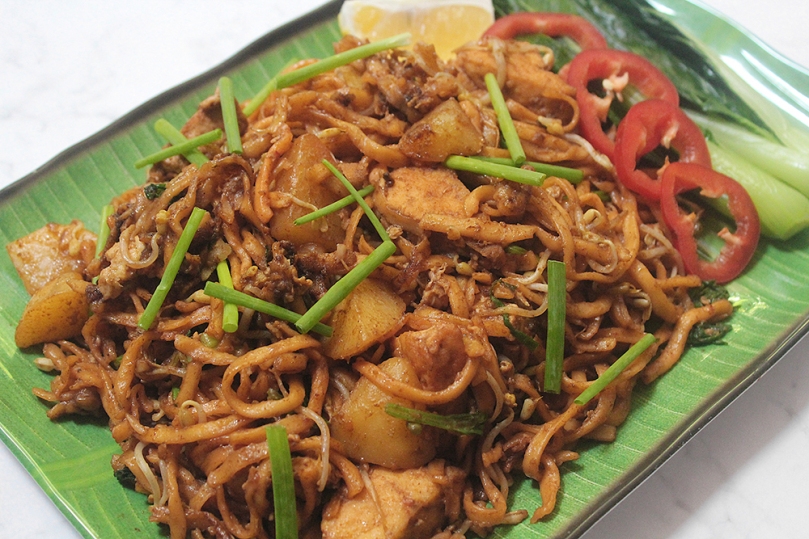
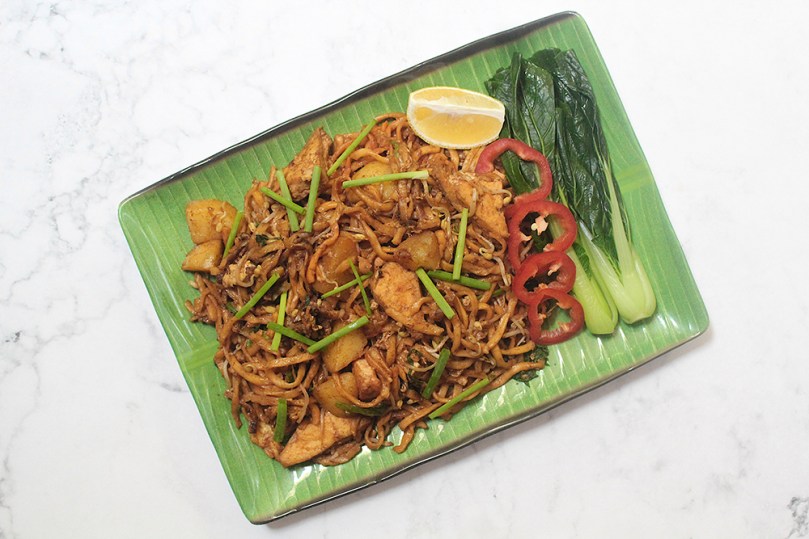
Mamak is a local word used to describe people of Indian-Muslim origins in Malaysia; and thus with these two cultures merging together created a unique dish known as Mee Goreng Mamak, or in English, Mamak-style Stir-Fried Noodles. It is normally made with fresh egg noodles, boiled potatoes, fried tofu, and Chinese greens of choice that is tossed in a delicious sauce, but you can also bulk it up with other proteins such as chicken, squid, or seafood. Pork and beef are typically avoided for obvious reasons.

If you’re looking for a way to change up your weeknight noodle meals, then this is a recipe you should definitely try out. It’s quick, easy, and made with ingredients that you can easily source at your local market or grocer. Mee Goreng Mamak is a delicious blend of spicy, savoury, sweet, tangy, smoky (from all that wok hay), and sticky flavours in a single dish. The recipe that I will be sharing tonight is perfect for ovo-vegetarians.

Mee Goreng Mamak (Mamak-style Stir-Fried Noodles) Ingredients

PREP TIME 15 MINS | COOKING TIME 30 MINS | SERVES 4

INGREDIENTS

For the sauce

  • 1/2 cup water
  • 2 tbsp ketchup
  • 2 tbsp light soy sauce
  • 1 tbsp curry powder
  • 1 tbsp dark soy sauce
  • 1 tbsp sambal paste
  • 2 tsp white granulated sugar

For the noodles

  • 2 x 500g packs fresh yellow noodles, washed and drained*
  • 4 pcs firm tofu, fried and cut into chunks
  • 2 medium-sized cooked potatoes, peeled and cut into chunks
  • 2-3 garlic cloves, minced
  • Spring onion
  • 2 large free-range eggs
  • Handful of celery leaves
  • 1/2 cup bean sprouts
  • Oil, for cooking
  • Chinese cabbage, blanched
  • Red pepper, sliced
  • Lemon wedges, optional

*Fresh yellow noodles are usually oiled. Rinse it in cold water to loosen up the threads and remove part of the oil, or you can quickly blanch it in hot water and drain before using.

METHOD

  1. Sauce: In a medium-sized bowl, mix all the ingredients together until well combined. Set aside until ready to use.
  2. Mee Goreng Mamak: Add oil in a large pan over high heat. Add the garlic and white/light green part of the spring onion and sauté until the garlic is lightly golden and fragrant, about 30 seconds.
  3. Add the yellow noodles and fry for about a minute or two. Push the noodles to the side and add the eggs. Let the eggs cook a little to set and then mix it into the noodles.
  4. Add the fried tofu, cooked potatoes, celery leaves, and the sauce mixture to the noodles. Toss until the noodles are evenly coated with the sauce, frying for about 3 to 4 minutes. Try not to mix too hard or it will break up the noodles into tiny threads.
  5. Add the remaining spring onion and bean sprouts. Give it another quick toss, about a minute or so for the bean sprouts to cook.
  6. Once done, transfer to individual serving plates and serve with red peppers and Chinese cabbage (or any greens of your choice). Garnish with a squeeze of fresh lemon juice and enjoy immediately while hot!
1933

1934

BON APPÉTIT

– Ally xx

myTaste.com

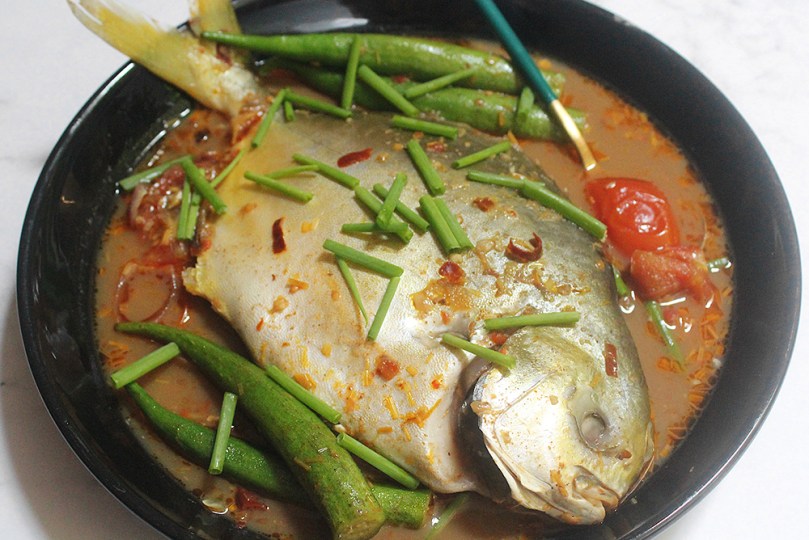
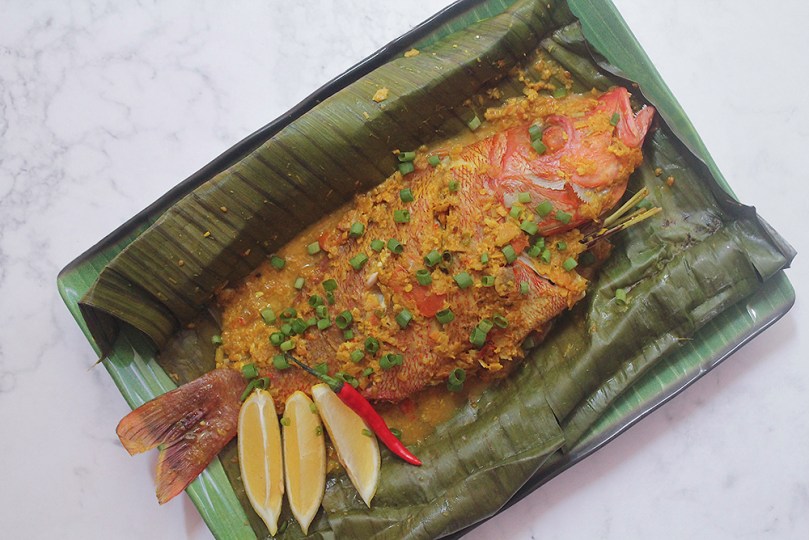
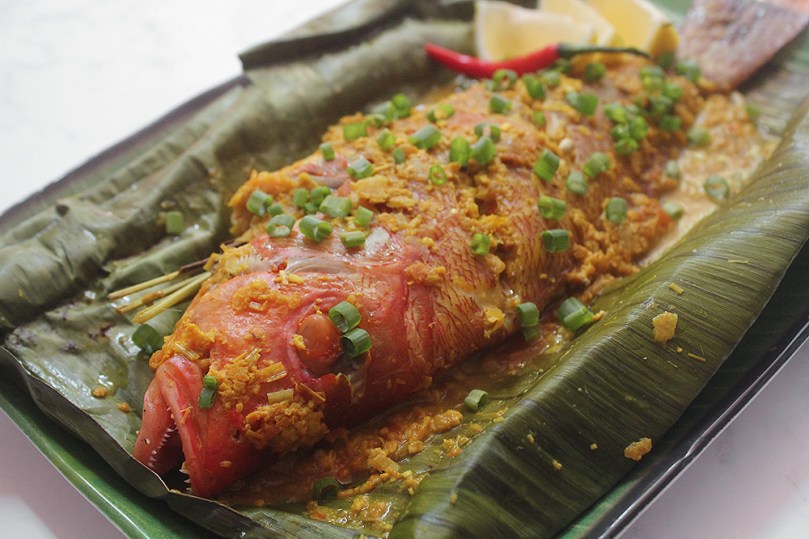
Assam Pedas Ikan

Assam Pedas Ikan

Hello everyone! A new month means we’ve ventured onwards to our next Southeast Asian destination, and tonight we’re kicking off our journey through Malaysia! Having lived in Brunei for 26 years of my life, and Bruneian food being so heavily influenced by the cuisine of its neighbouring country, Malaysia, it’s no wonder that it’s a cuisine that’s very close to my heart and that I love so much on top of everything else that I seem to love when it comes to food *cheeky grin*

Assam Pedas Ikan

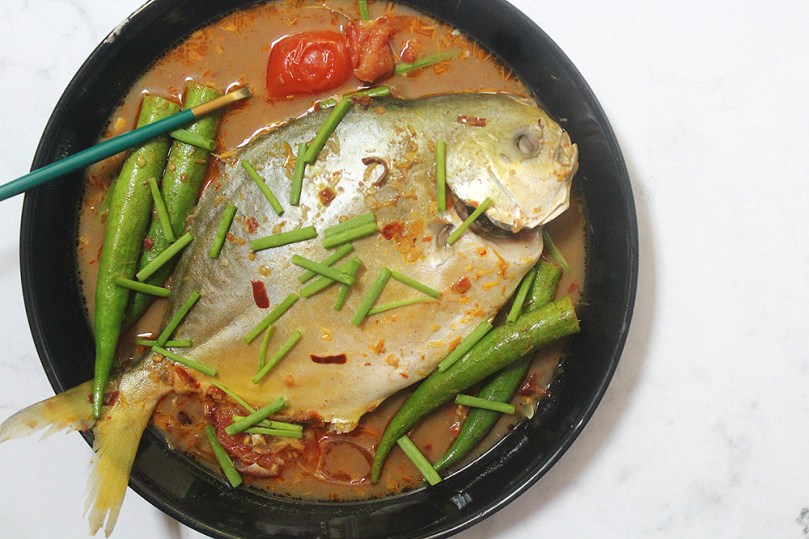
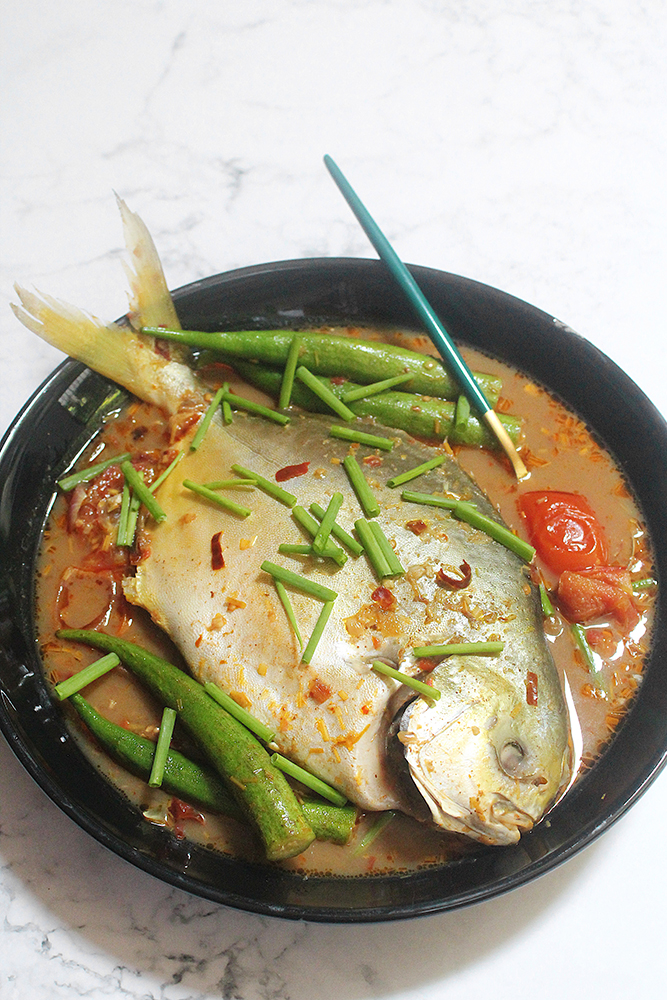
Assam Pedas Ikan, or literally translated as Sour Spicy Fish in English, is a classic Malaysian dish that’s undoubtedly sour, fiery hot, and super satisfying! Special ingredients such as tamarind peel, ginger torch flower, and Vietnamese coriander (laksa leaves) are key in achieving the flavour profile and aroma of Assam Pedas. However, while these ingredients may be difficult to source in certain countries, the sourness is the important component; and you can use tamarind pulp or paste for this. I guess that it’s also safe to say why everyone has their own take on this favourite Malaysian dish; the adaptations are endless! Ultimately, a good balance of sourness, saltiness, sweetness, and spiciness is all you need to make a good Assam Pedas dish.

Tonight, I’ll be sharing the way I remember how my Mom used to make it when we were still living in Brunei. It’s been a while since I’ve had this dish and I was actually surprised by how quick and easy it is to make, as well as how readily available all the ingredients are, for the version that I will be making of course. Instead of using water for my version, I used my own homemade fish broth from fish scraps to give the Assam Pedas more depth in flavour. Traditionally, locals would use ikan tenggiri (Spanish mackerel), or ikan pari (stingray), but my Mom and I prefer to use pomfret fish (pampano in Tagalog) for its delicate white flesh, subtle non-fishy and sweet taste, as well for its firm texture.

Assam Pedas Ikan Pedas

PREP TIME 30 MINS | COOKING TIME 10 MINS | SERVES 4

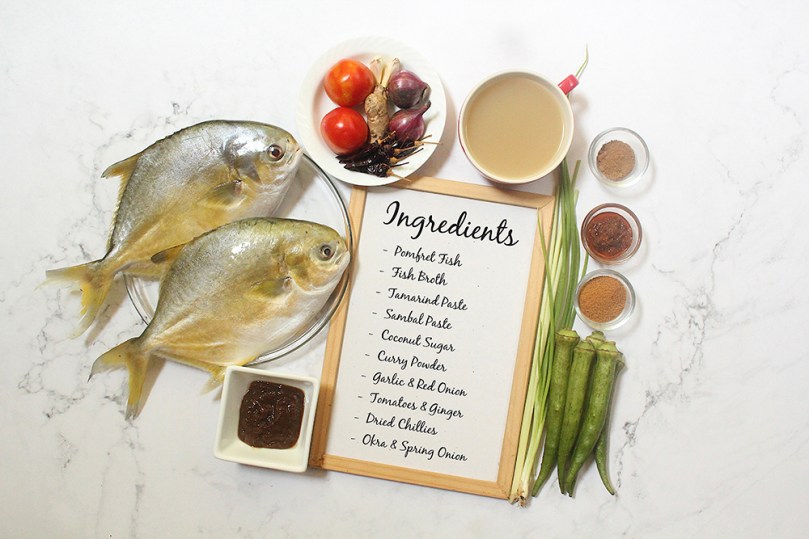
INGREDIENTS

For the spice paste

  • 8-10 pcs dried red chillies, roughly chopped
  • 1 garlic clove, roughly chopped
  • 1 small red onion, diced
  • 1 stalk lemongrass (white part only), roughly chopped
  • 1/2 tbsp sambal belacan paste

For the assam pedas ikan

  • 2 large pomfret fish
  • 2 tbsp cooking oil
  • Spice Paste
  • 1 tsp fish curry powder
  • 1 tbsp coconut sugar
  • 2 tbsp tamarind paste
  • 2 cups fish broth
  • 2 tomatoes, quartered
  • 1 small red onion, quartered
  • 1 thumb-sized ginger, sliced
  • Spring onion, white part
  • 10 pcs okra
  • Salt, to taste
  • Spring onion (green part), to garnish

METHOD

  1. Spice Paste: Using a mortar and pestle, pound all the ingredients for the spice paste together, or you may also use a food processor to do so. Set aside.
  2. Assam Pedas Ikan: Heat cooking oil to a large pot over medium-high. Add the spice paste and fry for about 2 minutes or until fragrant before adding the curry powder, coconut sugar, and tamarind paste. Fry for a further 2 minutes.
  3. Add the fish broth, followed by the tomatoes, red onion, ginger slices, and white parts of the spring onion, and leave to simmer for about 5 minutes or until the tomatoes have softened.
  4. Add the pomfret fish and cook for 20 minutes or until the fish is cooked through. Add the okra and cook for a further 5 minutes, or until the okra is tender.
  5. Serve immediately while hot and enjoy with freshly steamed white rice!

Assam Pedas Ikan is best served with plain steamed white rice. You may also serve it with noodles, kind of like a laksa, if you’re using boneless fish. Rice noodles would be the go-to choice as they take on the flavour of the Assam Pedas best.

Assam Pedas Ikan

Assam Pedas Ikan

BON APPÉTIT

– Ally xx

myTaste.com

Khua Mee (Fried & Caramelised Rice Noodles)

Khua Mee (Fried & Caramelised Rice Noodles)

Hello everyone! This will be the second and last dish that I will be sharing on our quick trip to Laos. As I mentioned in my previous post, I am not very knowledgeable when it comes to Lao cuisine and will only be sharing recipes that I am familiar with in terms of taste and similar dishes from their neighbouring countries.

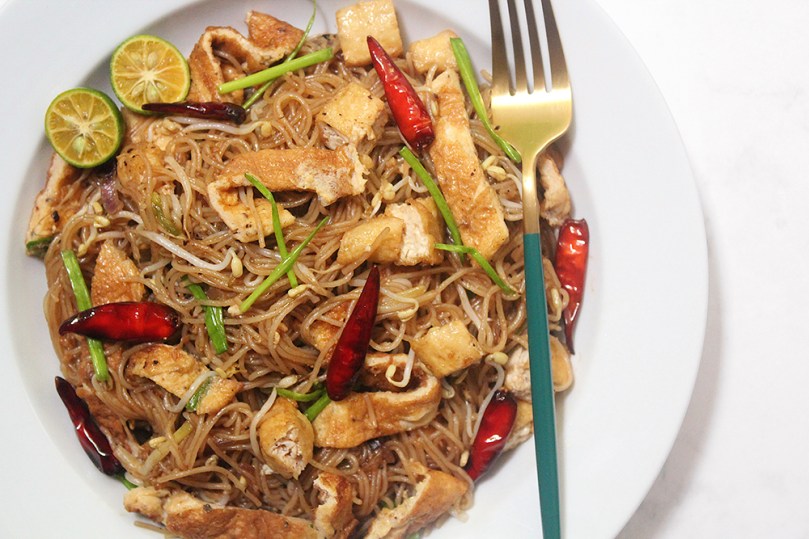
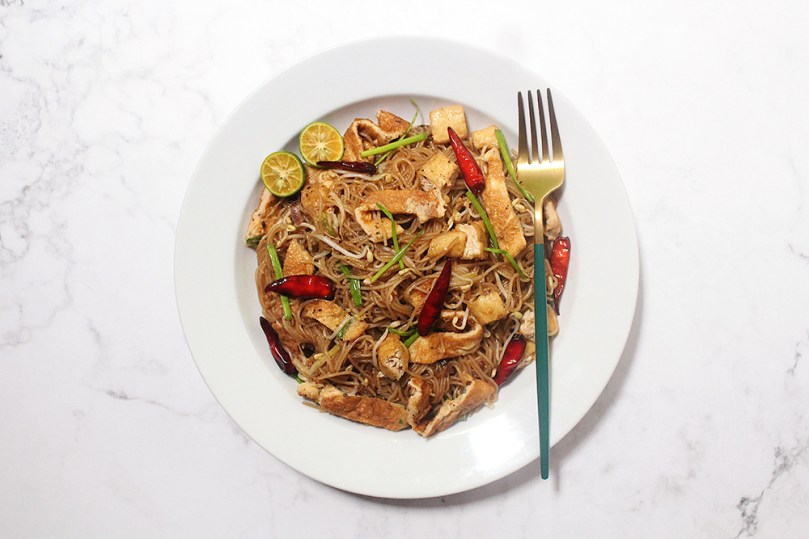
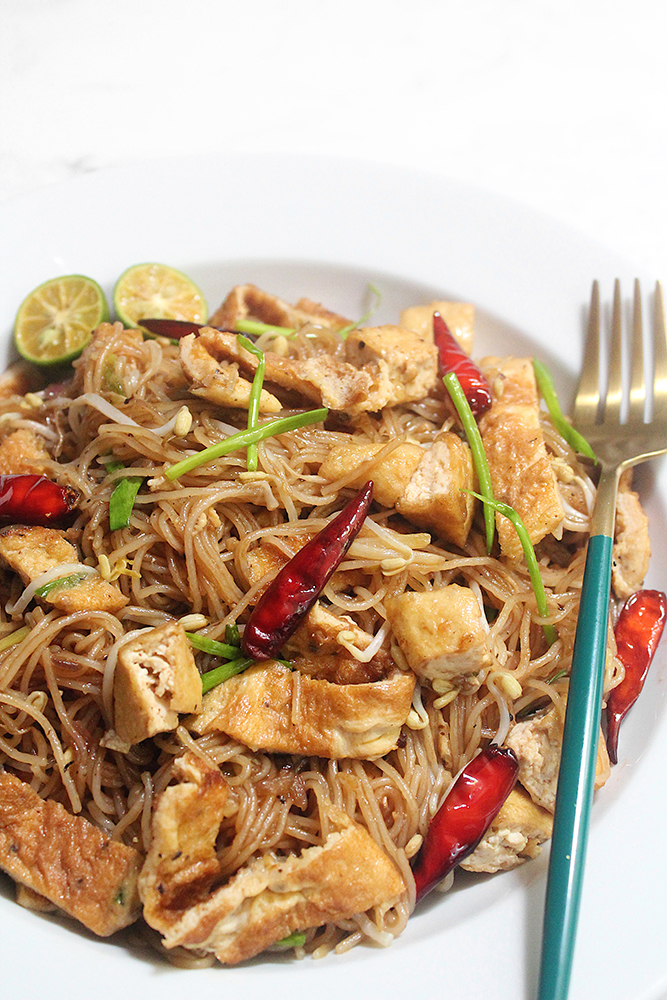
Khua Mee, or in English, Fried & Caramelised Rice Noodles, is the Laotian cousin of what Pad Thai is in Thailand. Now, while I’ve never had Khua Mee before until I experimented for Amcarmen’s Kitchen, I’ve had plenty of Pad Thai before, from my trips to Thailand, or just a visit to an authentic Thai restaurant back home in Brunei, and when I was living in Australia. Khua Mee is actually more sweet than savoury, and has a more unique flavour to it. This flavour comes from caramelising the sugar at the start of the cooking process which is then accompanied by other savoury flavours such as oyster sauce, fish sauce, and soy sauce. The sweet and savoury marriage of flavours is what sets this dish apart from other noodle dishes.

Khua Mee (Fried & Caramelised Rice Noodles)

The dish is fairly easy to put together. I guess the only tricky part would be the caramelisation of the sugar if you’re not used to it. You want to keep the heat on a medium-low temperature and watch it like a hawk so that the sugar does not burn. Traditionally, this noodle dish is topped with a fried egg omelette and bean sprouts. If you want to make this dish more substantial, you can also bulk it up with beef, pork, chicken, or prawns. To keep this ovo-vegetarian friendly though, my choice of protein was firm tofu. I also used mushroom sauce instead of oyster sauce, and omitted the fish sauce by adding more salt, as needed, instead. To add more flavour, I used homemade vegetable stock instead of water as the liquid base for the rice noodles to soak up.

Push the Pad Thai aside for now because once you take a bite and get a mouthful of these caramelised noodles, fried omelette, fresh herbs, and fried chillies, you will know why this is a much loved Laotian dish. It’s also a perfect potluck party dish as it tastes even better when served at room temperature.

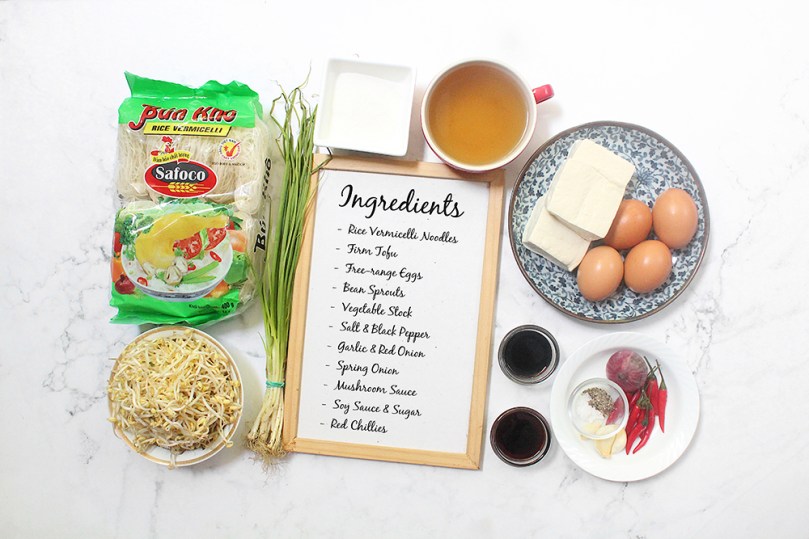
Khua Mee (Fried & Caramelised Rice Noodles) Ingredients

PREP TIME 30 MINS | COOKING TIME 10 MINS | SERVES 4

INGREDIENTS

For the fried omelette

  • 4 large free range eggs
  • Spring onion, green part
  • Salt and freshly cracked black pepper, to taste
  • 2 tbsp cooking oil

For the fried noodles

  • 1 packet (500g) rice noodles
  • 4 tbsp cooking oil
  • 4 tbsp white granulated sugar
  • 4 garlic cloves, finely minced
  • 2 small red onions, halved then sliced thinly
  • 1 & 1/2 cup homemade vegetable stock*
  • 2 tbsp light soy sauce
  • 2 tbsp mushroom sauce
  • 1 tbsp dark soy sauce
  • 1 cup bean sprouts
  • Spring onion
  • Fried red chillies
  • Fried tofu
  • Salt and freshly cracked black pepper, to taste
  • Calamansi or lemon, to garnish

*You can use store-bought vegetable stock, or water instead.

METHOD

  1. Noodles: Soak the rice noodles in room temperature water for 30 minutes. Set aside.
  2. Fried Omelette: While the rice noodles are soaking, whisk the eggs in a medium-sized bowl, season with salt and cracked black pepper, and add the spring onion.
  3. Add cooking oil in a large pan over high heat. Pour in the egg mixture and cook until firm and slightly brown around the edges, about 2 to 3 minutes. Flip and cook for a further 1 minute then transfer to a plate and cut into long strips. Set aside.
  4. Fried Noodles: Add the 4 tablespoons of cooking oil in the same pan, and bring the heat down to medium-low. Add the sugar and caramelise until melted and lightly golden in colour.
  5. Add the minced garlic and onions, and cook for about 30 seconds. Don’t cook it for too long as the sugar will start to darken faster and most likely burn at this point.
  6. Immediately add in the vegetable broth to stop the caramelisation process of the sugar, followed by the light and dark soy sauce, mushroom sauce, white part of the spring onion, and season with a pinch of salt. Turn the heat up to medium, mix, and then leave to simmer for about 5 to 10 minutes for the flavours to develop.
  7. Add the soaked rice noodles and cook until most of the liquid has been absorbed before adding the bean sprouts, fried tofu and fried omelette slices. Mix and cook until the liquid has been absorbed then add in the green part of the spring onion and the fried red chillies.
  8. Transfer to individual serving plates and add a squeeze of calamansi or lemon juice before eating. Enjoy!

Khua Mee (Fried & Caramelised Rice Noodles)

Khua Mee (Fried & Caramelised Rice Noodles)

BON APPÉTIT

– Ally xx

myTaste.com

Ikan Pepes (Grilled Fish in Banana Leaves)

Ikan Pepes (Grilled Fish in Banana Leaves)

Hello Everyone! Tonight’s recipe is actually also a national fish dish in East Timor. As we’ve covered back in March when we travelled through East Timor on our Flavours of Southeast Asia journey, the country was invaded and colonised by Indonesia after they gained their independence from Portugal. Therefore a lot of their cuisine is also inspired by Indonesian culture.

I’ve actually never had Ikan Pepes before; I guess the closest I’ve had that’s similar to this dish is Ikan Bakar, which in English literally means ‘burn fish’. The main difference between the two is how the banana leaves are used.

Pepes is an Indonesian cooking method using banana leaves as a food wrapping and secured with a fastener made from the central ribs of a coconut leaf (known as lidi seumat). The banana leaf package containing the food is then steamed or grilled over charcoal. Bakar on the other hand is a charcoal-grilling method where sometimes a sheet of banana leaf placed between the food and grill to prevent it from sticking to the grill and breaking into pieces.

Ikan Pepes (Grilled Fish in Banana Leaves)

Ikan Pepes is made by generously smothering the fish in a spice mixture. The mixture may vary among regions and places, but usually consists of a combination of shallots, garlic, chillies, coriander, tamarind paste, candlenuts, turmeric, galangal, and salt; all pounded together using a mortar and pestle, or blitzed in a food processor to create a paste. The fish is then wrapped in banana leaves to not only protect the fish from excessive charring, but also to add a subtle touch of fragrance to the dish as a whole. The fish is then typically eaten with rice for a complete meal.

You can use any type of fish for this dish as you prefer, such as snapper, perch, bream, or tilapia, and you may also opt to use fish fillets rather than cooking with a whole fish especially for those who don’t like struggling with fish bones. Likewise, while the method of pepes is commonly used to prepare fish, other ingredients such as shrimp, squid, chicken, beef, tofu, tempeh, mushrooms, or other vegetables are also available to be prepared using this method.

Ikan Pepes (Grilled Fish in Banana Leaves) Ingredients

PREP TIME 15 MINS | COOKING TIME 25 MINS | SERVES 4-6

INGREDIENTS

  • 2 red snappers (about 500g each in weight), descaled, gutted, and cleaned
  • Salt and freshly ground black pepper, to season

For the spice mixture

  • 3 red chillies, chopped
  • 2-3 garlic cloves, roughly chopped
  • 1 small red onion, roughly chopped
  • 1 stalk lemongrass (white part only), finely chopped
  • 1 thumb-sized turmeric, peeled and finely chopped
  • 1 tbsp raw peanuts
  • 7 cherry tomatoes*, halved
  • 1 tsp shrimp paste
  • 1 tbsp coconut sugar
  • 1 tbsp tamarind paste
  • Salt, to taste
  • Fresh banana leaves

To garnish

  • Lemon wedges
  • Red chillies, chopped
  • Spring onion (green parts), chopped

*Or use one small tomato and roughly chop. I used cherry tomatoes because I had some lying around that were getting soft.

METHOD

  1. Spice Mixture: Using a mortar and pestle, pound the garlic, onion, lemongrass, turmeric, and peanuts together until it forms into a rough paste. Add the tomatoes and continue to pound until they start to break down.
  2. Add in the shrimp paste, coconut sugar, tamarind paste, and season with salt. Use a spoon to mix them all together until well combined.

If using a food processor, add all the ingredients together and blend into a rough paste.

  1. Ikan Pepes: Place the prepared fish, that has been seasoned with a touch of salt and freshly ground black pepper, on top of a piece of banana leaf, on top of a piece of aluminium foil.
  2. Stuff the cavity of the snapper fish with the green parts of the lemongrass and white part of the spring onion. This is optional as I didn’t want to put these parts to waste so I decided to use them in the dish as well.
  3. Generously cover both sides of the fish with the spice mixture and enclose it in the banana leaf, and aluminium foil.
  4. Place the fish over a grill and cook on medium-high heat for 15 minutes on one side, and 10 minutes on the other; a total of 25 minutes, or until cooked through depending on the size of your fish or method of cooking.
  5. Once done, remove from the grill and transfer to a serving plate. Garnish with some spring onions, extra chillies, and lemon wedges on the side. Serve immediately while hot with rice. Enjoy!

1898

Ikan Pepes (Grilled Fish in Banana Leaves)

BON APPÉTIT

– Ally xx

myTaste.com

Balado with Ai Manas (Fried Boiled Egg with Chilli Sauce)

Balado with Ai Manas (Fried Boiled Egg with Chilli Sauce)

Hello Everyone! Who here doesn’t love eggs? Eggs are probably one the the reasons why I don’t think I’d ever be able to go on a fully vegan diet. It’s amazing how many varieties of dishes we can make using the eggs as a side or main ingredient. So put your hands up if you love eggs!

To be perfectly honest, boiled eggs are my least favourite from all of the basic ways to cook eggs. Since I like a runny yolk, my absolute go-to would be sunny-side up eggs (with browned, crispy edge that gives a certain nutty flavour to the white) and/or poached eggs. I guess it’s now safe to say that the recipe that I will be sharing tonight has changed the way I see boiled eggs. Now, if you’re like me and this recipe doesn’t convert you, then I don’t know what will!

Balado with Ai Manas (Fried Boiled Egg with Chilli Sauce)

Here’s a great way to turn boring and plain-old boiled eggs into a spectacular appetizer or side dish at home. The East Timorese version of Balado is an adaptation of the original Indonesian Spicy Eggs, known as Telur Balado. Balado is a popular snack that you can find being sold, usually by children, all over the streets of East Timor. If you want a flavourful egg dish where the sauce penetrates all the way into the inside, then you really want to develop a fried and crispy skin to your eggs. Likewise, you can serve this dish with a fried egg or sunny-side up, but tradition calls for boiled eggs.

On the streets for just 25 cents, you get a fried, hard-boiled accompanied by a bold sour and spicy chilli sauce, called Ai Manas. Ai Manas is the heart of every East Timorese food. It’s very famous all over the country and comes with many regional varieties that vary according to taste. Green or red chillies often make up the bulk of the ingredients of the paste. The chilies are grounded along with lime or lemon rind and juice, ginger, onions, and several other local spices. Even a teaspoon of this sauce is enough to fire up any meal. Thai chillies are usually used for this sauce, which can be significantly hot for some. Use what you like and can tolerate.

Balado with Ai Manas (Fried Boiled Egg with Chilli Sauce) Ingredients

PREP TIME 10 MINS | COOKING TIME 10 MINS | SERVES 6

INGREDIENTS

  • 6 large free-range eggs

For the spicy chilli sauce

  • 8-10 pc red bird’s eye chillies, roughly chopped
  • 2 garlic cloves, finely minced
  • 1 small red onion, finely diced
  • 1-2 tsp white granulated sugar (optional)
  • Handful of Thai basil, roughly chopped
  • Salt, to taste
  • Small thumb-sized ginger, grated
  • Zest and juice of 1 lemon

METHOD

  1. Ai Manas: Using a mortar and pestle, pound the chillies, garlic, and red onion into a rough paste.
  2. Follow with the grated ginger, lemon zest, and a pinch of the basil leaves. Continue to pound and season with a touch of salt. Add in the lemon juice and give it a good mix. Taste and adjust to your liking.

I had to add about a teaspoon or two of white granulated sugar to balance the spice and tang of the sauce. You don’t have to add it if you’re alright with the level of sour and spice.

  1. Once done, add the rest of the chopped basil leaves to the sauce, mix, and then set aside.

Balado with Ai Manas (Fried Boiled Egg with Chilli Sauce)

  1. Balado: To boil the eggs, heat a medium-sized pot of water (enough to cover all the eggs) over high heat until boiling. Once boiling, turn the heat down to low and carefully place the eggs in the pot using a ladle to prevent them from cracking.
  2. Depending on your preference, boil for 5 minutes for soft-boiled eggs, 7 minutes for medium eggs, or 10 minutes for hard-boiled eggs. Take note that you’ll be cooking the eggs again, so I would recommend you go for soft or medium eggs if you don’t like over-cooked boiled eggs as a result.
  3. While the eggs are cooking, prepare an ice bath* by combining ice and tap water in a large bowl. Once the eggs are cooked, immediately transfer them to the ice bath to cool for 2 to 3 minutes.
  4. Peel the eggs and make sure to pat them dry if you don’t want them to explode while frying.
  5. Heat oil, enough to submerge an egg for deep frying, in a medium-sized pot over medium high. Carefully lower the eggs into the oil and fry until golden brown, about 2-3 minutes.
  6. Carefully remove from the oil using a slotted spoon and transfer to a plate lined with a paper towel to absorb any excess grease.
  7. Serve the fried boiled egg with the spicy chilli sauce and enjoy while hot!

Balado with Ai Manas (Fried Boiled Egg with Chilli Sauce)

*The ice bath will cool the eggs quickly and stop the cooking process. The ice water will also cause the egg to contract and pull away from the shell, which will make it easier to peel.

BON APPÉTIT

– Ally xx

myTaste.com