Classic Cream of Mushroom Soup

Classic Cream of Mushroom Soup

Hello Everyone! I know, this recipe may not be as exciting as the three Winter Warmer soup recipes that have gone up on the blog for this month, but everybody loves an easy creamy mushroom soup. Well, at least I know without a doubt that I love me a nice bowl of mushroom soup. Even at buffets that I have been to, I always dive into a nice bowl of mushroom soup over whatever was the other choice of soup.
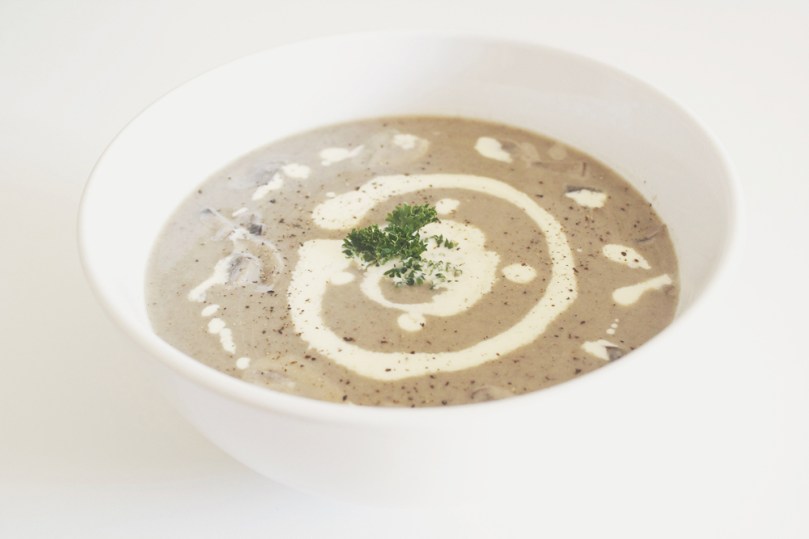
Classic Cream of Mushroom Soup

Anyway, I’ve made this recipe a couple of times before and I remember the last time I made this soup was last year during my meat free week which was the week before Easter Sunday. That whole week was difficult indeed because I would always be so hungry after 2 hours of having my meal which then made me sad and upset. What did I learn from this experience? I can’t live without meat in my diet, and therefore I will never be able to convert to a vegetarian. I can have a no meat day, but a week let alone forever? Nope!

You may notice that there are some ingredients missing in the picture from the list, and that’s only because I remembered when everything was chopped up already that I was missing the butter and flour. The dash of worcestershire sauce was actually unplanned, I just came across the sauce in the pantry as I was searching for the pepper mill.
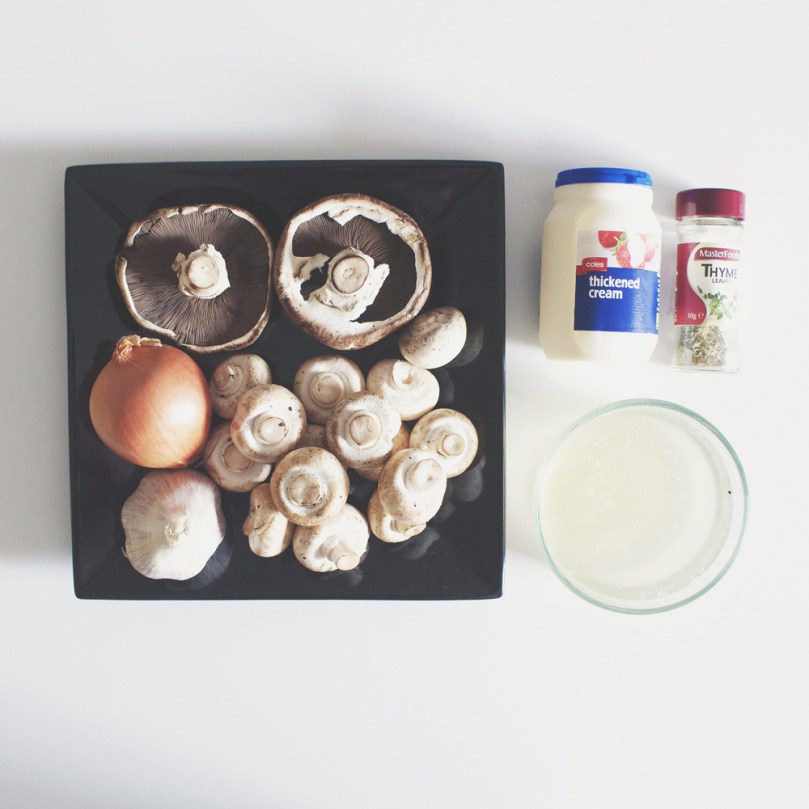
Classic Cream of Mushroom Soup Ingredients

PREP TIME 10 MINS | COOKING TIME 25 MINS | SERVES 2-3

INGREDIENTS

  • 300g cup mushrooms, sliced
  • 2 pcs portobello mushrooms, cut into small chunks
  • 2 cups pork stock*, or vegetable stock
  • 2-3 garlic cloves, minced
  • 1/2 brown onion, sliced
  • 3 tbsp unsalted butter
  • 1 tbsp plain flour
  • Dash of worcestershire sauce
  • Ground salt and black pepper to taste
  • Pinch of dried thyme
  • Thickened cream

*I had about 2 cups of rich pork broth that I didn’t want to throw away from tenderising a piece of pork shoulder to teach my friend how to make roast pork cracking, so I reserved it and decided to use it for this recipe. Otherwise, plain vegetable stock is fine for a vegetarian option.

METHOD

  1. Melt the butter in a large pot over medium-high heat, be careful as to not brown/burn the butter. Add the garlic and sauté for about a minute or two before adding the the onions and cooking them until soft. Then add in the mushrooms, seasoning with a bit of black pepper, salt, and thyme. Cook until the mushrooms are tender.
  2. Add the pork stock in and a dash of worcestershire sauce. Bring to a boil. Once boiling, let it cook for a further 10 minutes. Scoop out about a tablespoon of the stock and place into a small bowl together with the flour. Mix until there are no more lumps and the mixture becomes a thick paste. Return to the pot and incorporate well into the soup. Continue cooking the soup until it starts to thicken, about a further 5 minutes.
  3. Turn the heat off, and scoop out about a heaped ladle of the soup and mushrooms. Set aside.
  4. Then, using a stick blender, blend the mushrooms together with the liquid in the cooking pot until smooth. Return the unblended soup to he cooking pot and mix well.
  5. Divide the soup equally into serving bowls (2 large bowls, or 3 small bowls) and top with a dollop of thickened cream and fresh afro parsley. Serve immediately with some toasted bread.
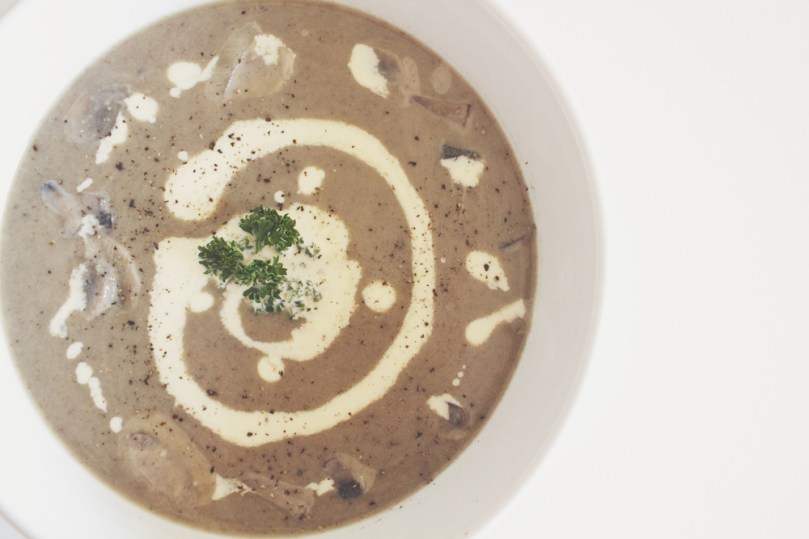
Classic Cream of Mushroom Soup

BON APPÉTIT

– Ally xx

myTaste.com

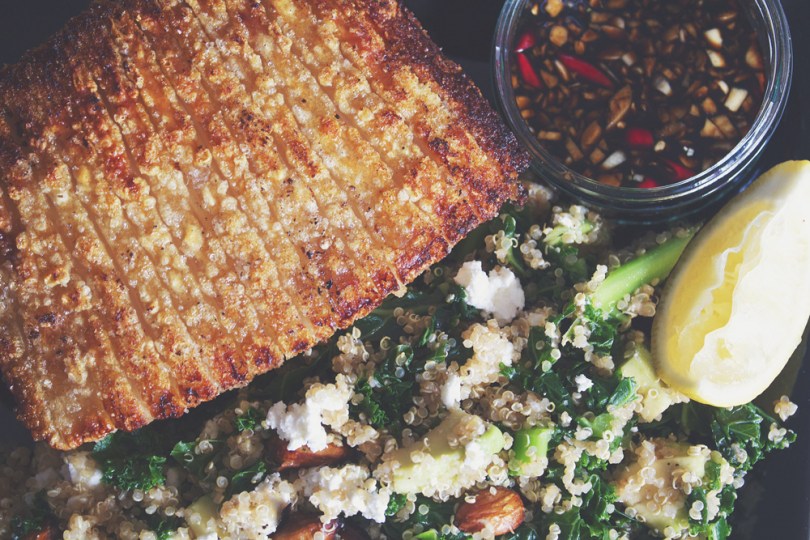
Roast Pork Crackling with Kale & Quinoa Salad

Roast Pork Crackling with Kale & Quinoa Salad

Hello Everyone! Can’t believe that it’s already the end of June! How time flies by much too fast. I’ve got just about a month left here in Sydney and then it’s quite possibly goodbye for a while. I wish I could stay, I really do, but it’s time for me to move on…

Sorry for the late post; I just got back home from a rather late dinner out with Amrita and Kevin. We had French Galettes and Crêpes in Randwick at Four Frogs Crêperie, exchanged conversations and laughs, and got up to a little mischief on our walk home. Basically Kevin managed to command Amrita to get into a shopping trolley that we found on our walk and pushed her down the street for a good 10 minutes or so I guess. He gave her a pretty rough ride by letting go on some occasions and leaving her in the middle of the road which made it all the more funny, especially Amrita’s priceless facial reactions.

Kale & Quinoa Salad

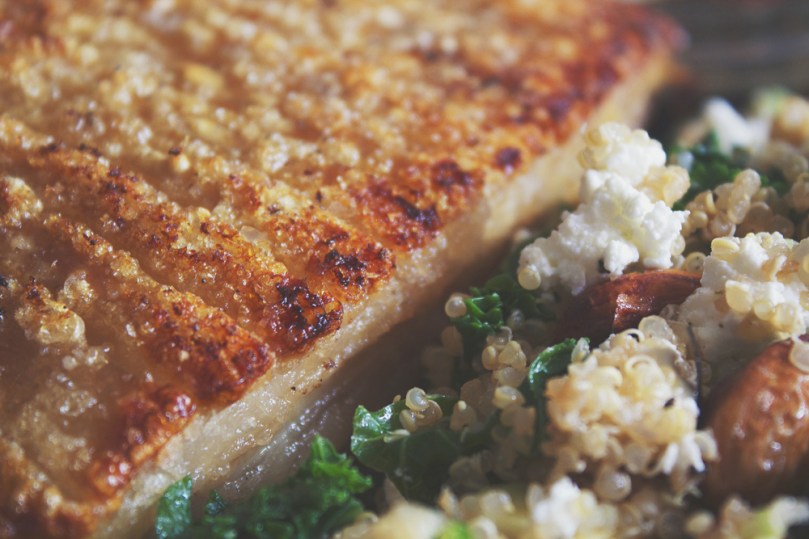
Anyway, besides that, this morning/afternoon I was in the kitchen making a lovely Kale and Quinoa Salad to go with my Roast Pork Belly Cracking. The crackling was no doubt well cooked; juicy, tender meat with a crackle to die for, paired with a chilli, garlic, lemon, soy sauce dip that made it all the more enjoyable. Of course, all that delicious but fatty belly needed to be paired with a light and healthy salad. I’ve never actually cooked quinoa before, but I have had quinoa at cafés. While I was cooking it, I could smell something burning, and at first I thought it was the quinoa because I could’ve sworn the smell was coming from the pot, and then I remembered my almonds. My poor almonds we’re slightly over-tanned on one side as I forgot that they were roasting in the oven.

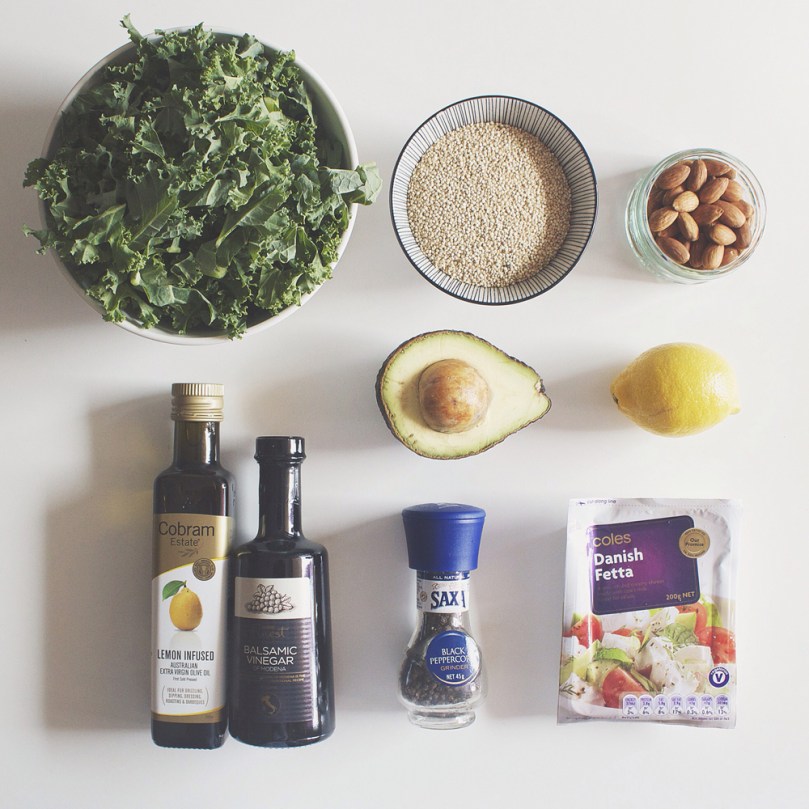
Roast Pork Crackling Ingredients

Kale & Quinoa Salad Ingredients

PREP TIME 24 HOURS* | COOKING TIME 30 MINS | SERVES 3-4

*Includes time needed to set aside the pork belly in the fridge overnight to draw out extra moisture for a crispy crackling when roasted.

INGREDIENTS

For the pork belly crackling

  • 750g pork belly
  • 5-6 dried bay leaves
  • 1 tsp salt, plus more for rubbing
  • 1 tsp whole black peppercorns
  • Oil for rubbing

For the dipping sauce

  • 4 tbsp dark or light soy sauce
  • 2-3 garlic cloves, minced
  • 2 red bird’s eye chillies, slices
  • 1 lemon wedge, juiced

For the kale & quinoa salad

  • 150g organic quinoa
  • 50g roasted almonds, unsalted
  • 1 avocado, peeled, pitted, and cut into small chunks
  • 1 bunch kale, roughly chopped
  • 2 tbsp balsamic vinegar
  • 2 tbsp olive oil
  • Crumbled feta cheese
  • Ground salt and black pepper to season
  • Lemon juice

METHOD

  1. Pork Roast Prep: Score the skin with a very sharp knife. Place the meat in a large pot with water, salt, whole peppercorns, and bay leaves. Boil for about 45 minutes to an hour. Remove from the heat and drain, placing in a large bowl lined with a paper towel. Once the meat has cooled down, refrigerate uncovered for at least 24 hours. Refrigerating the meat will help to draw out any remaining moisture. Remove from the refrigerator and bring back to room temperature prior to roasting in the oven.
  2. Roast Pork Crackling: Preheat oven between 220-240C (425-475F or gas mark 7-9). Rub oil and plenty of salt into the scored skin, really getting it into the slits of the score marks. The fat under the skin will react to the salt and that is what makes the skin puff up and crisp up. Roast in the oven for 20 minutes and then bring the temperature down to 160C (325F or gas mark 3) and roast for another 10 minutes. Remove from the oven and let the meat rest for 20 minutes.
  3. Kale & Quinoa Salad: While the pork belly is roasting in the oven, blanch the chopped kale in hot salted water for about 4-5 minutes. Drain thoroughly. Add to a large serving bowl together with the roasted almonds and avocado chunks.
  4. Bring a medium-sized pot of water to a boil. Once boiling, add the quinoa in and cook for about 15 minutes. Once done, drain thoroughly and add to the serving bowl. Season with a bit of salt and pepper. Dress with balsamic vinegar, olive oil, and about 1 tablespoon of freshly squeezed lemon juice. Mix around until well combined. Top with feta cheese.
  5. Dipping sauce: Add all the ingredients together in a small bowl and mix well.
  6. Serve for the family and/or friends and enjoy!

Roast Pork Crackling with Kale & Quinoa Salad

Roast Pork Crackling with Kale & Quinoa Salad

BON APPÉTIT

– Ally xx

myTaste.com

Chicken Adobo

Chicken Adobo

Hello Everyone! For those of you who don’t know (or haven’t read the about me section of this blog), I was born and bred in Brunei, but I have the blood of the Philippines running in my veins. Even though I have never really lived in my country of residence, I am very familiar with the many cuisines the Philippines has to offer. This is through my travels to the Philippines, and of course also from my mothers cooking.

Tonight’s recipe is one that was always on the menu when I was growing up as a kid, and up to today, it is one of my go to dishes if I want a quick and hassle-free dinner. Its got the proteins, and all you really need is to load it up with carbs, which usually is just steamed rice and a side of boiled veggies to go with it. A perfect meal (well for me that is), especially since I get home at around 8/8:30pm after a good workout at the gym, a hassle-free dinner is just what I need. All you really have to do is add all the ingredients to a pot, simmer for 20 minutes and ta-da! How easy is that? I’ve read other recipes where it says to marinate the chicken beforehand anywhere from 30 minutes to 3 hours, but I honestly don’t think it needs the marinating, it tastes just as good the way my mom taught me how to make it!

Chicken Adobo is a very famous Filipino dish. I say famous because, besides swear words being the number one thing people say they know when I tell them I am Filipino, “do you know how to cook Chicken Adobo?” is the next thing they’d ask. It may not look that appetising; I know, I struggled to make Chicken Adobo look aesthetically pleasing on a plate but I just couldn’t, but believe me when I say this dish tastes amazing!

Chicken Adobo Ingredients

PREP TIME 5 MINS | COOKING TIME 20-25 MINS | SERVES 4

INGREDIENTS

Chicken Adobo Ingredients

METHOD

  1. Combine all ingredients in a large pot. Cover and bring to boil. Once boiling, lower the heat and let it simmer for about 20 to 25 minutes until sauce is reduced and thickened, and the chicken is tender. The great thing about this is you don’t have to stir it around!
  2. Serve with steamed rice and a side of veggies of your choice.

Chicken Adobo

As you can see the chicken does produce a lot of oil, so what I usually do is separate the chicken and set the sauce aside in the fridge for a few hours until the oil has settled. Once it has settled, I then scoop out the oil and heat the sauce up again.

BON APPÉTIT

– Ally xx

myTaste.com

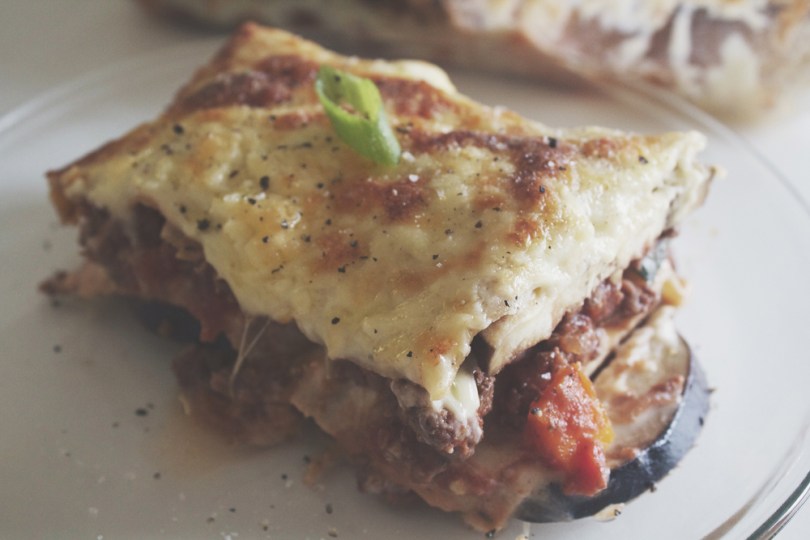
Kangaroo Lasagne

Kangaroo Lasagne

Hello Everyone! The kangaroo makes another appearance on tonight’s blog post! I finally got around to using the other half of the kangaroo mince that I first cooked with about a month or more ago now. I decided to go with making a lasagne only because I had most of the essential ingredients already in my fridge/pantry at the time I was planning on making it – I really only needed the lasagne sheets and a few of the vegetables.

Tonight’s post is not going to be as long as the others; I don’t have much to tell. If you read my post on the Kangaroo Bolognese that I made a while back, you’d know the story behind how I came to purchase roo mince. Also, I mentioned in that post that I neither loved nor hated the taste of kangaroo – it was just an inexplainable feeling. I even said that, after having given kangaroo a second chance while camping in Uluru, I was leaning more towards liking it. After making this lasagne though, I’m definitely disliking the taste of it. However, it may very well be the fact that I made a lot of it to last me 6 meals, so that may be the reason why I started to dislike it after a while – but no; I won’t be purchasing kangaroo for a while. Maybe never again actually because I’ll be leaving Sydney soon and roo meat is DEFINITELY not available back home.

Kangaroo Lasagne

I actually ran out of mozzarella cheese when making the lasagne so I ended up adding tasty cheese as well because that was the only other cheese I had in the fridge – and I didn’t have much of it either. I have also doubled the quantities for the béchamel sauce as I found that I didn’t have enough for the meat filling recipe that I had.

Also, just a little side note, if you want to try this recipe out, DON’T lay the eggplant slices raw. They barely even cooked when the lasagne was in the oven. Took a bite, and it just ruined the dish for me. I had to take them out and cook them separately. Much hassles! So make sure you bake/grill/pan fry them before layering them in-between the meat and lasagne sheets. I mean, I already had this at the back of my head, that I needed to cook them first, but no, I didn’t. First amateur cook mistake for 2015 – yeap, I’m off to a good start.

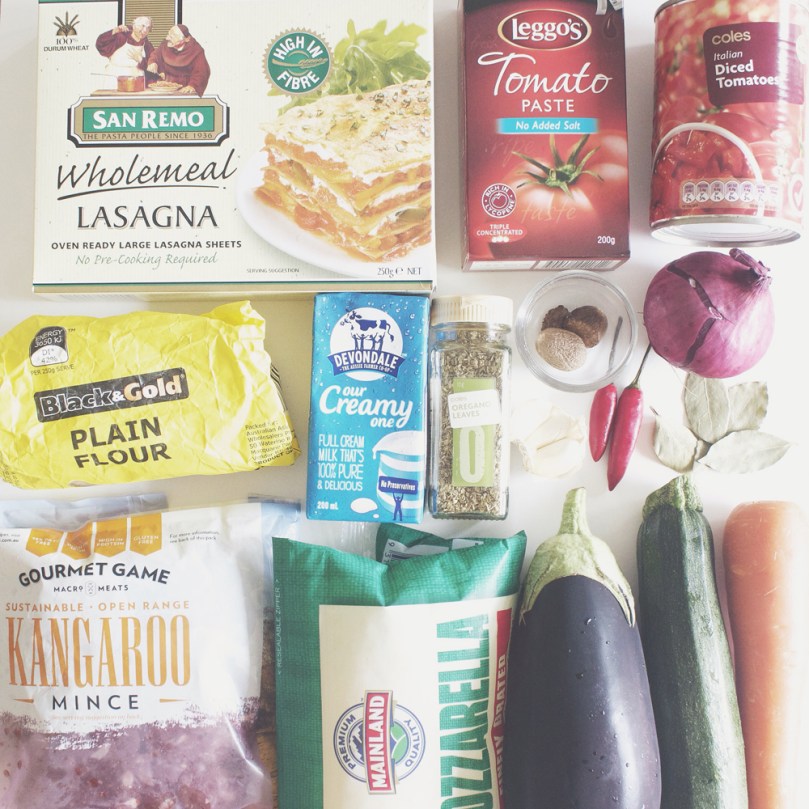
Kangaroo Lasagne Ingredients

PREP TIME 15 MINS | COOKING TIME 1 HOUR 30 MINS | SERVES 6-8

INGREDIENTS

For the meat filling

  • 500g kangaroo mince
  • 1 can (400g) Italian diced tomatoes
  • 1 sachet (2 tbsp) tomato paste
  • 1 cup water
  • 3 tbsp olive oil
  • 4-5 dried bay leaves
  • 3 garlic cloves, crushed then minced
  • 2 tsp dried oregano
  • 1 carrot, cut into small chunks
  • 1 medium-sized red onion, diced
  • 1 red birds-eye chilli, sliced (optional for that added kick of spice)
  • 1 zucchini, cut into small chunks
  • Ground sea salt and black pepper to taste

For the béchamel sauce

  • 2 cups milk
  • 3 tbsp olive oil
  • 3 tbsp plain flour
  • 1/2 tsp nutmeg
  • Pinch of sea salt
  • Wholemeal lasagne sheets
  • 1 pack (250g) mozzarella cheese, grated
  • 1 large eggplant, sliced

METHOD

  1.  Preheat oven to 180C.
  2. Heat the olive oil in a large frying pan and pan fry the eggplant slices until done, about 4-5 minutes per side. Set aside.
  3. In the same frying pan, sauté the garlic until golden and fragrant. Then add the onions in a sauté until soft. Add the vegetables in and cook for about 5 minutes before adding the kangaroo mince in. Cook over medium heat and slowly brown the meat. When the meat has completely browned, add the canned diced tomatoes, tomato paste, oregano, and water. Season with salt and pepper, then simmer for about 25 to 30 minutes.
  4. While the meat is simmering away, get a head start on the béchamel sauce. Heat the olive oil in a medium-szied saucepan. Add the plain flour and nutmeg to the oil and stir continuously for 2 to 3 minutes. Slowly add the milk in a bit at a time while still stirring the mixture continuously. Stir until the sauce is smooth, season and then set aside.
  5. In a ovensafe dish (I used a 28cm x 18cm pyrex dish), add half of the meat filling and top with half of the eggplant slices. Arrange a layer of lasagne sheets over the top and then followed by a layer of the béchamel sauce. Top with half of the pack of mozzarella cheese and then repeat for another layer.
  6. Place the in the oven and bake for about 40 to 45 minutes.
  7. Serve with a salad on the side and perhaps some yummy garlic bread.

Kangaroo Lasagne

Kangaroo Lasagne

BON APPÉTIT

– Ally xx
myTaste.com

Nasi Lemak (Coconut Rice)

Nasi Lemak (Coconut Rice)

Hello Everyone! I’m back tonight with a recipe for you guys. So I did a little bit of reading on what Nasi Lemak actually translates to – I knew “Nasi” (pronounced nah-see) meant rice, but I was not sure what “Lemak” (pronounced leh-mahk) meant. Lemak apparently, if directly translated means “fat” and therefore Nasi Lemak means “fat rice”, but in the cooking context, lemak means enriched, and in this case, rice enriched with coconut milk.

The truth is, no one really know where the dish originated from as coconut rice is common in many other South-east Asian cultures such as Indonesia, Malaysia, and Thailand. Apparently there is an old folklore story from a village just south of the country’s state, Kuala Lumpur, where a village girl accidentally spilled a cup of coconut milk in a pot of rice while she was helping her mother cook. Though her mother was enraged, she ended up liking the taste of the rice with coconut milk, and hence the birth of Nasi Lemak.

Nasi Lemak (Coconut Rice)

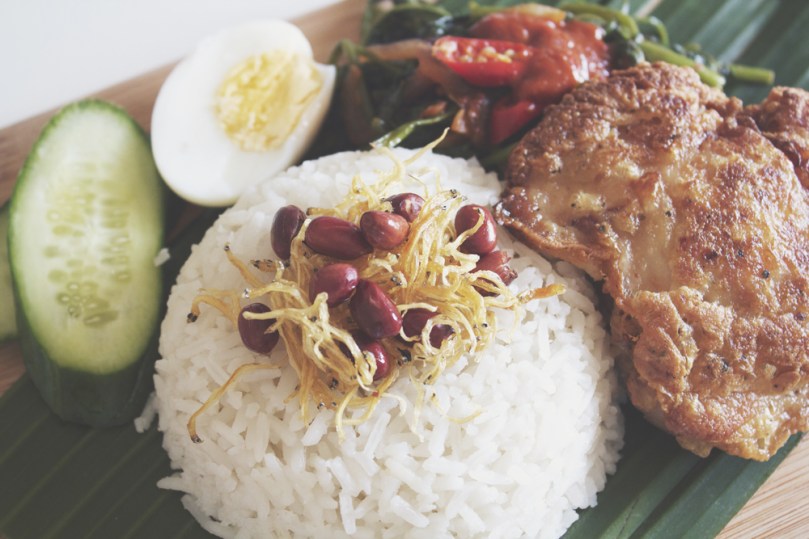
Traditionally, the two elements that make up this dish are the rice of course, and the spicy sambal (a chilli-based sauce) that either has anchovies or prawns in it accompanying the rice. Sliced cucumbers, half a hard-boiled egg, and roasted peanuts are also essential condiments found in this dish. Nowadays, many variations of accompaniments are served with the dish, such as chicken, beef or prawn curry, and even fried chicken. It is then wrapped and packed in a banana tree leaf as this gives an added fragrance. Restaurants nowadays serve up a modernised version on a plate with all the trimmings.

Back home in Brunei, Nasi Lemak was practically on every menu in every restaurant. They were sold in almost every stall at the Gadong Pasar Malam (Night Market) and even on the side of the streets if I’m not mistaken. All ranging between $1.00 to $3.00, probably a little bit more in restaurant, but surely no more than $5.00. I remember I went to Mamak in Chinatown somewhere in the middle of last year to meet up with Sam’s friends (now my friends too) from the Netherlands. I had a sudden crave for Roti Kosong and Nasi Lemak, but it was so difficult to order it. I think I may have complained about this place before in terms of price comparisons to back home, and I am about to do it again. Their Nasi Lemak here was $9.00, and if you wanted a curry or fried chicken to go with it, it was another $3.00 extra, $4.00 if you wanted seafood. After that, never getting Nasi Lemak here ever again. Thus I decided to give homemade Nasi Lemak a go! Now, I may have steered away from ‘traditional’ by using pre-made sambal, but it tasted pretty good!

Nasi Lemak (Coconut Rice) Ingredients

Nasi Lemak (Coconut Rice) Ingredients

Here is where you can get quite creative yourself. As I’ve mentioned before, the rice and the sambal is essential. The other components are basically up to you. I paired my Nasi Lemak with Sambal Kangkung, which is basically water spinach stir fried in the chilli-based sauce with garlic and onions, and a piece of fried chicken. You can whip up your own curry with your choice of meat or vegetables to accompany this dish.

Ayam Goreng Ingredients

Kang Kong Belacan Ingredients

PREP TIME 1 HOUR | COOKING TIME 20-25 MINS | SERVES 4

INGREDIENTS

For the coconut rice

  • 2 cups long grain rice
  • 1 cup of water
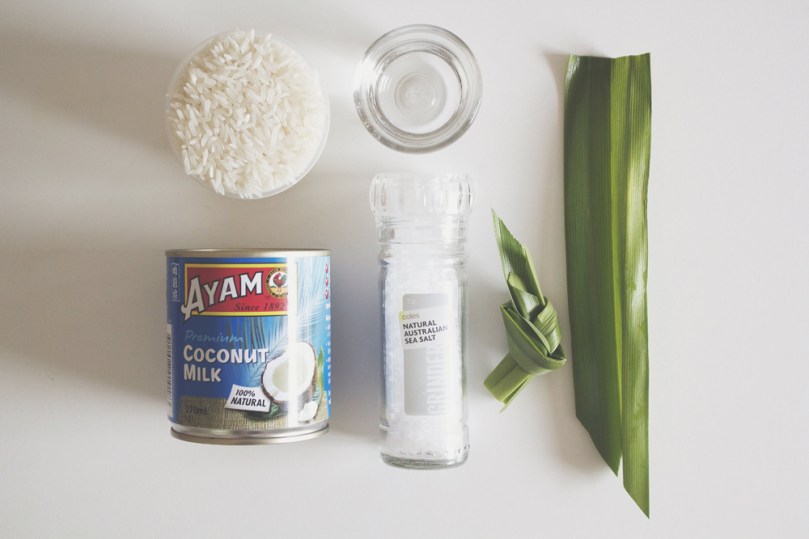
  • 2 pandan (screwpine) leaves, tie them into a knot as shown above
  • 1 small can (170ml) coconut milk

For the fried chicken

  • 4 pcs chicken thigh cutlets, skin-on, washed and cleaned
  • 1/2 vegetable oil, for shallow frying
  • 2 tbsp cornflour
  • 2 tbsp plain flour
  • 2 tbsp water
  • 1 tsp dried chilli flakes
  • 1 tsp sesame oil
  • 1/2 tsp salt
  • Dash of ground black pepper

For the sambal kangkung

  • 1 bunch kangkung, washed, leaves separated from the stems, and stems cut into short lengths
  • 2 cloves garlic, minced
  • 2 red bird’s eye chillies, sliced
  • 1/2 red onion, diced
  • 1 & 1/2 tbsp sambal belacan
  • 1 tbsp vegetable oil
  • 2 hard-boiled eggs, halved
  • Handfull of small-sized ikan bilis (dried anchovies), fried
  • Handfull of peanuts, roasted
  • Sliced cucumbers
  • Banana leaf

METHOD

  1. First things first, combine all the marinade ingredients for the fried chicken in a large bowl. Mix the chicken around until well coated in the batter. Cover the bowl with cling wrap and set aside to marinade for 1 hour.
  2. Coconut Rice: Just like making steamed rice, rinse your rice and drain. Add the coconut milk, a pinch of salt, and water. Add the pandan leaves into the rice and cook your rice. Once done, transfer to a serving dish lined with a banana leaf together with the other condiments.
  3. Fried Chicken: Preheat oven to 180C. Heat up oil in a large frying pan an working in batches, shallow dry the chicken until skin is crispy and golden (about 4-5 minutes per side). Remove from the heat and place on a baking tray lined with aluminium foil. Place the wings in the oven for a further 8-10 minutes to finish off in the oven.
  4. Sambal Kangkung: Heat oil in a medium frying pan over high heat. Add the garlic and 1 of the sliced bird’s eye chilli and sauté until golden brown. Add in the onions and sauté until soft. Bring the heat down to low and then add in the sambal belacan, cooking the belacan over high heat will cause it to spit all over the stovetop and we don’t want to have a messy cooking area. Cover if needed. Sauté the belacan until fragrant.
  5. Add the the kangkung leaves, stems and a little bit of water to dilute the belacan you think can’t handle the heat. Cover until the leaves start to wilt. Toss around the belacan to coat the leaves and stems evenly (kangkung literally takes only a minute to cook). Serve together with your coconut rice and fried chicken, and top with fresh red chillies.

Nasi Lemak (Coconut Rice)

BON APPÉTIT

– Ally xx
myTaste.com

Devon Café (Devon by Night) - ENTRÉE: King Salmon Sashimi, Avocado, Jelly, Ikura, Chives

Devon Café (Devon by Night)

Hello Everyone! And a very Happy New Year to all! I trust everyone enjoyed celebrating in one way or another. I spent the whole day sitting out in the sun with friends as we waited for midnight to strike. Watching the fireworks display by the Harbour Bridge was an amazing experience, and also such a tiring day of waiting really.

Anyway, hopefully I can keep this going as long as I have visited enough places and have the time to write up my dining experience. I feel like it’s been a while since I did a review – well that’s because it has been a while indeed! So, starting this New Years, I will be uploading a review every Sunday on top of 2 recipes a week on Tuesdays and Thursdays.

So I’ve been to Devon Café a total of 3 times now this year; twice for brunch and once for their dinner service. The both times that I went for brunch I ordered the same dish, and so did the one other person I went with, so I thought doing a review just on the one dish from their brunch menu was a bit meh. I had the Eggs Blini by the way which you can probably already tell because I had it twice (within two weeks) was so good and also apparently was the most Instagrammed dish from their menu at the time.

Anyway, the last time I visited Devon Café was actually in August of this year. Yes, that means that the food that you see in this review may not even be on their menu anymore as I am aware that menus here in Australia tend to change depending on the season. Therefore, the food that you see here are from their winter menu, and I have not been back to know whether their menu is different for the now summer season.

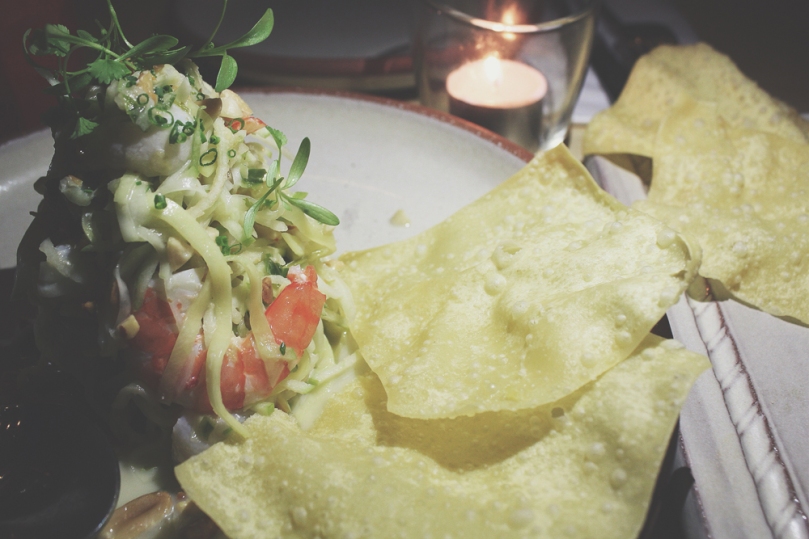
Devon Café (Devon by Night) - ENTRÉE: Prawn and Scallop Wontons
ENTRÉE: Prawn and Scallop Wontons
Scallop and Prawn Ceviche, Crispy Wontons, Green Mango, Peanuts, Nahm Jim ($18.00)

When the waiter first came to our table with these, I actually thought he got our order mixed up. In my head I was like “these aren’t wontons are they?” I was actually hesitant to have him place the dish on our table and I think he could tell that I was confused. I asked “are these the wontons?” He assured me that they were, AND then I saw him carrying the other plate that had the wonton wrappers. Yes I know, not quite how I’ve known wontons to be served, but nonetheless these tasted amazing! I really loved the freshness of the prawn and scallop ceviche paired with the kick of spice from the nahm jim sauce. Not to mention the crispy wontons that added that extra crunch to the dish!

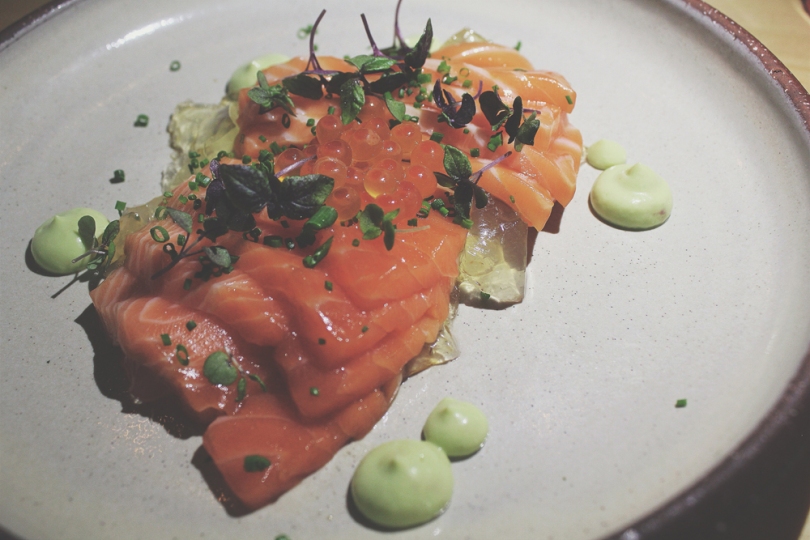
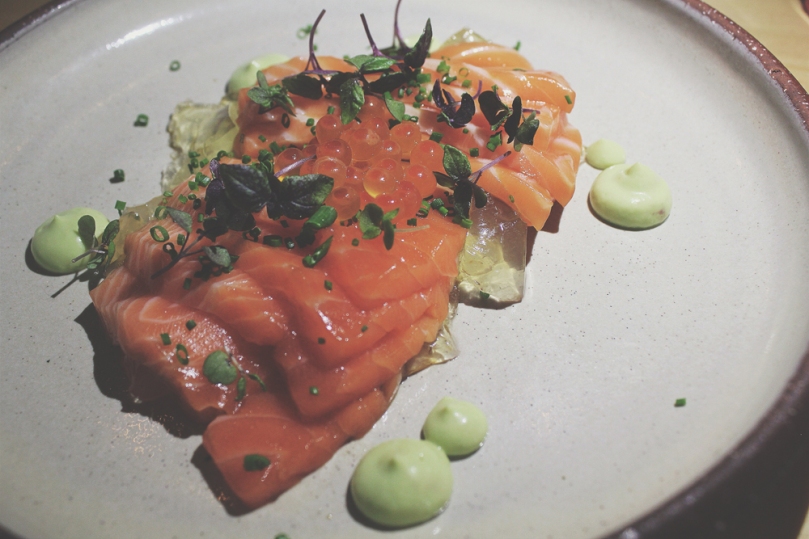
Devon Café (Devon by Night) - ENTRÉE: King Salmon Sashimi, Avocado, Jelly, Ikura, Chives
ENTRÉE: King Salmon Sashimi, Avocado, Jelly, Ikura, Chives ($15.00)

Enticingly fresh salmon. What more can I say? This dish was spot on for me!

Devon Café (Devon by Night) - MAIN: Chinese Egg Custard, Shiitake, Fungus, Yellow Needle Flower, Chinese Fried Bread and Perigord Black Truffle
MAIN: Chinese Egg Custard, Shiitake, Fungus, Yellow Needle Flower, Chinese Fried Bread and Perigord Black Truffle ($29.00)

This dish gave me some mixed feelings – well, now that I think of it, the flavour didn’t quite sit well with me even though I think my other friends enjoyed it. I found the mushroom taste to be a bit too overpowering for me, which was probably the main reason why I didn’t not enjoy this dish. Also, the Chinese Fried Bread was not at all crispy, at least not as crispy as the ones I’d get back home. Their bread also didn’t look that fresh.

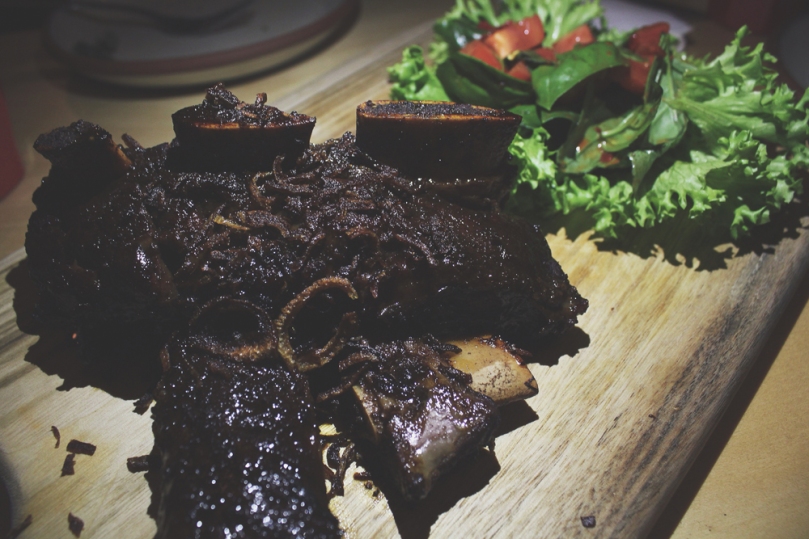
Devon Café (Devon by Night) - MAIN: Aunty Yulia's Short Ribs
MAIN: Aunty Yulia’s Short Ribs
Slow Cooked in Indonesian Sweet Soy with Spicy Tomato and Basil Relish ($28.00)

This was probably the highlight of all dishes. The short ribs were cooked to perfection; falling off the bone tender and packed with that delicious kecap manis flavour. The relish was a nice refreshing touch to the palette and that him tot spice really gave it that kick it needed. I highly recommend this dish if it’s still on their menu!

Devon Café (Devon by Night) - DESSERT: Matcha Fondant (Green Tea Molten Lava Cake)
DESSERT: Matcha Fondant (Green Tea Molten Lava Cake)
with Vanilla-bean Ice Cream, Honey Dew Balls and Pistachio Crumb ($13.00)

This dessert I believe is actually one of the main reasons why I wanted to go to Devon by Night. I saw it all over Instagram and I said to myself that I NEEDED to go here just to be able to get my hands on this dessert. The last time I had a green tea molten lava cake was 2 or 3 years ago at Tokkuri. That I loved, but I think now THIS I love more! The perfect consistency and paired with other flavours and textures that really enhanced the dish. The lava was thick and rich – just absolute yum! A definite must try!

Devon Café (Devon by Night) - DESSERT: Fried Ice Cream Bao with Dark Chocolate Sauce
DESSERT: Fried Ice Cream Bao with Dark Chocolate Sauce ($7.00)

This was the day that I broke my fried ice cream virginity as well – and I am glad that I lost it to Devon’s Fried Ice Cream Bao! Such a clever and innovative way of fusion cooking; serving fried ice cream in a bao. The only let down with this was that they served it with a dark chocolate sauce – don’t get me wrong, the sauce was perfection, but I was expecting a kaya (coconut jam) sauce instead, as from what I’ve seen all over Instagram. I seriously believe that it would’ve tasted a hundred times better! I’m probably being biased here since I’m not a huge fan of chocolate, but KAYA?! My fellow kaya-loving friends/followers will be able to imagine magic happening in their mouth just thinking about this flavour combination.

Devon Café is quite a popular breakfast, brunch, lunch, and dinner spot to both the locals and the tourists. So if and when you get the chance to Sydney, or are currently residing in Sydney, this should be in your places to eat in Sydney list. A MUST! They’ve recently opened a new branch in Waterloo on Danks St. which I was able to visit with two other friends for a nice brunch just this week actually. Unless their menu has changed at the original Devon Café, their menu is quite different so I will be doing a review on them too! Soon I hope!

Devon Café
76 Devonshire Street
Surry Hills, New South Wales
Australia, 2043

– Ally xx

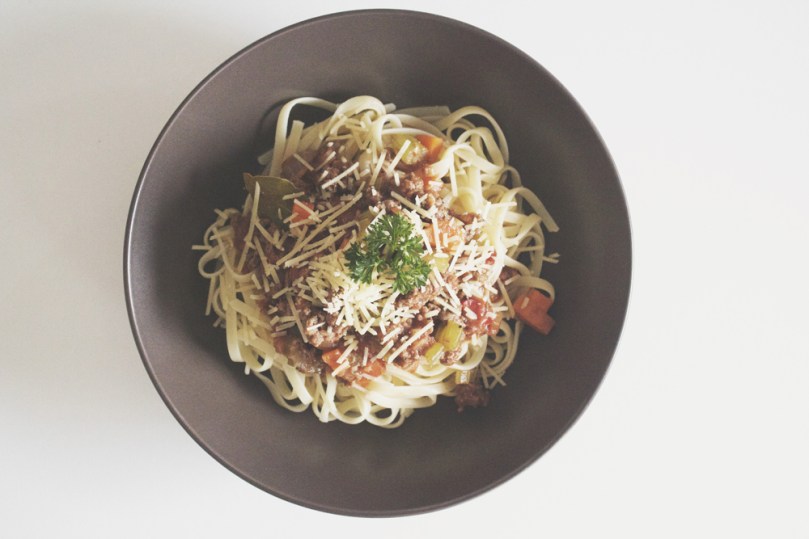
Kangaroo Bolognese

Kangaroo Bolognese

Hello Everyone! So today’s recipe was inspired by a meal that I had while travelling the outback a few weeks ago. It was our first night of the tour and our tour guide Dan was showing us the way to Ewing’s Lookout to have champagne, wine, and crackers while watching the sun set over Ayers Rock and Kata Tjuta. I remember him saying that while we were enjoying the sunset, he’ll be back at the campsite and have “tea” ready for us. Then someone called out “what about dinner?” Dan didn’t hear her though because he was getting out of the 4WD as she said it. I then remember a couple of guys discussing about how they came to book the tour, and I remember him specifically saying “it said that dinner would be provided”. I then chimed in and told them that when Dan said “tea” he meant dinner, to which he responded “that’s so weird, in England tea is just tea, like would you like a cup of tea. But here it’s would you like a cup of dinner?” He was hilarious. But nonetheless, I assured the others that dinner will be served. “Tea” is apparently an Aussie slang for a light late afternoon meal or main meal in the evening.

Kangaroo Bolognese Ingredients

Anyway, tea aside, Dan made Kangaroo Bolognese for dinner that night. I’ve ever only had kangaroo once before during my first year in Sydney. It was my 20th birthday party and one of my friends brought kangaroo patties to throw on the barbie. I’ll be honest and say that I cringed a little bit when I found out that he was cooking kangaroo. Even though I was reluctant to, he made me try a bit. I don’t even remember  what it tasted like; I just knew that I neither loved nor hated it. But ever since then until now, it never crossed my mind to actually purchase kangaroo and consume it. I’ll admit that I was even reluctant to eat it while camping – but i had no choice because I didn’t want to starve during the night and wait for breakfast. After giving kangaroo a second chance, I still had the same feelings of neither loving it nor hating it, but I can safely say that I was leaning more towards liking it.

After returning from the trip, I decided that I would give Kangaroo Bolognese a go and last week Monday was the day I tried out the recipe for myself. I basically just cooked it the way I would normally cook a bolognese with minced beef. It turned out to be pretty good! But I think I got sick of eating it after the 3rd day – I made enough to last me 4 meals, and to those who know me, I actually cannot eat the same meal more than twice in a row otherwise I’d get sick and tired of eating it. I still have half a kilo left in my freezer and I am unsure what to make next. I immediately thought of kangaroo lasagna, but I’ve had various suggestions such as kangaroo pie, Aussie kangaroo burger and even a Roorito (kangaroo burrito). I might give the last one a go just because I like the name of it!

Kangaroo Bolognese Ingredients

PREP TIME 10 MINS | COOKING TIME 30 MINS | SERVES 4

INGREDIENTS

  • 500g kangaroo mince
  • 250g linguine (or any other pasta)
  • 1 can (400g) Italian diced tomatoes
  • 1 sachet (2 tbsp) tomato paste
  • 4-5 dried bay leaves
  • 3 baby carrots, cut into small chunks
  • 3 celery sticks, sliced
  • 3 garlic cloves, crushed then minced
  • 1 medium-sized brown onion, diced
  • 1 red birds-eye chilli, sliced (optional for that added kick of spice)
  • 1 cube vegetable stock dissolved in 1 cup boiling water
  • 2 tsp dried oregano
  • Grated parmesan cheese
  • Ground sea salt and black pepper to taste
  • Parsley

METHOD

  1. Heat about a tablespoon of oil in a large frying pan over medium-high. Sauté the garlic until golden and fragrant, then add the chillies and onions. Sauté until the onions are soft and then add in the kangaroo mince. Season with salt, pepper, and oregano. Cook, stirring, until the meat is no longer pink (about 5-7 minutes).
  2. Add the dried bay leaves, diced tomatoes, tomato paste, and vegetable stock. Give it a good mix and then turn the heat down to low, cover and let it simmer for about 15 minutes to allow the flavours to blend. Finally, add in the carrots and celery, and cook for a further 8-10 minutes.
  3. Meanwhile, cook the linguine according to packet instructions.
  4. Remove the sauce from the heat and serve over the hot pasta. Top with a handful of grated parmesan cheese and fresh parsley.

Kangaroo Bolognese

Fun fact: Australia is the only nation to eat its Coat of Arms – not quite!

I was told that Australia is the only nation to eat kangaroos and emus, both of which are national symbols on the Australian Coat of Arms. After doing some research, it’s not quite true and turns out that there are 20 (or maybe even more) other nations that eat their national symbol. Kangaroo has been historically a staple source of protein for indigenous Australians. Kangaroo meat is high in protein, low in fat (about 2%), and has been attributed with a wide range of health benefits.

BON APPÉTIT

– Ally xx

myTaste.com

Oxtail Kare-Kare

Oxtail Kare-Kare

Hello Everyone! So I was just browsing through all the posts I’ve uploaded since I got into a regular uploading schedule and I realised that I actually haven’t posted a savoury dish in a while. I’ve been posting about cakes, cookies, and muffins these past few months! The last savoury dish that I blogged about was back in October with The Ultimate Brekkie (for those who have not seen it, click on it and prepare to drool, seriously).

Today’s recipe is a little different, or may be different to some of my readers/viewers. It is one of my most favourite dishes of all time, and only because my mom used to make it on a regular-enough basis to always have this orgasmic sensation with every bite. It may not suit the taste buds for many I feel, but seriously, every person I’ve made this for, well okay 3 people, loved it so much that they’ve even gone and tried to make it for themselves!

There are a few things to cover in this recipe that many may not know about, so I’ll start of with what even is Kare-Kare. Pronounced kah-reh kah-reh, it is a traditional Philippine stew flavoured with ground roasted peanuts or peanut butter, onions, and garlic; creamy, rich, and thick. Traditionally, a palayok (clay cooking pot) is used to cook this dish and it is also used as the serving pot. Typical meats that make the base for this stew include oxtail (sometimes this is the only meat used), pork hocks, calves feet, pig feet, beef stew meat; and occasionally offal, or tripe, rarely goat or chicken. Besides the meat, vegetables are also cooked with the stew and these include a range of (but are not limited to): eggplant, Chinese cabbage (or other leafy greens), long beans, okra (lady fingers), daikon, etc. – usually equaling or exceeding the amount of meat in the dish. The overall dish is then coloured (and flavoured) with annatto seeds, which is extracted by add the seeds in oil or water. Since I didn’t have some in handy, I just left them out – I feel like it didn’t have a significant effect to the overall flavour of the dish.

This dish is often served and eaten with shrimp paste known in a Philippines as bagoong (pronounced ba-go-ong). Sometimes it is spiced with chilli, or sautéed with garlic, onions, tomatoes, and sprinkled with calamansi (small round lime) juice. Bagoong paste varies in appearance, flavour, and spiciness depending on the type. Pink and salty bagoong is marketed as “fresh”, and is essentially the shrimp-salt mixture left to marinate for a few days. I sautéed a whole jar of shrimp paste and only used about a generous tablespoon of it on the side for this dish. The rest I put back into the jar and into the freezer until for later use. There are many other dishes that you can make with the sautéed shrimp paste and it may pop up in my blog a few more times!

I cooked up this dish for our supposed International (Asian) Feast Night that we had been planning for a while. I say “supposed” because instead of having food from 5 different Asian Cuisines, we ended up only having 3 and it turned out to also be Lydia’s farewell dinner. Basically Lydia cooked a dish from China, Vidhya from India, and me from the Philippines. Jialing (who did not show up by the way because she had a staff dinner) was supposed to make a dish from Malaysia, and Marissa, who already went on holiday, was supposed to make a Vietnamese dish. I was seriously so tired that night, I mean first of all, I had just come back from my Outback trip and only felt the tiredness after returning back. Secondly, I worked from 9am-5pm that day, and when I got home, I straightaway went into the kitchen to cook. I was SO tired that I actually seriously fell asleep at the table after dinner, during dessert. Talk about an induced food coma!

So for this night, which by the way happened about 3 days after I got back from the Red Centre, I decided to make my famous Oxtail Kare-kare. I also made a chicken version for Vidhya because the only meat she eats is chicken (and fish). I’ve never actually tried the dish with chicken before; it turned out okay but in my honest opinion, it wasn’t as flavourful as the Oxtail. I have made this dish in the past as well where I used pork hock/leg, pork shoulder, beef shank or gravy beef, and my mom made it a few times with beef tripe – all these cuts of meat work perfectly well with the dish. Some butchers sell oxtail either whole or cut. If your local butcher happens to seek them whole, just kindly ask them to cut it into rounds for you, that’s what I did. I remember as a little kid that I would always love the bigger cuts because they had more meat in them… Until someone ruined it for me saying that “the bigger the cut, the closer it is to its bum!”

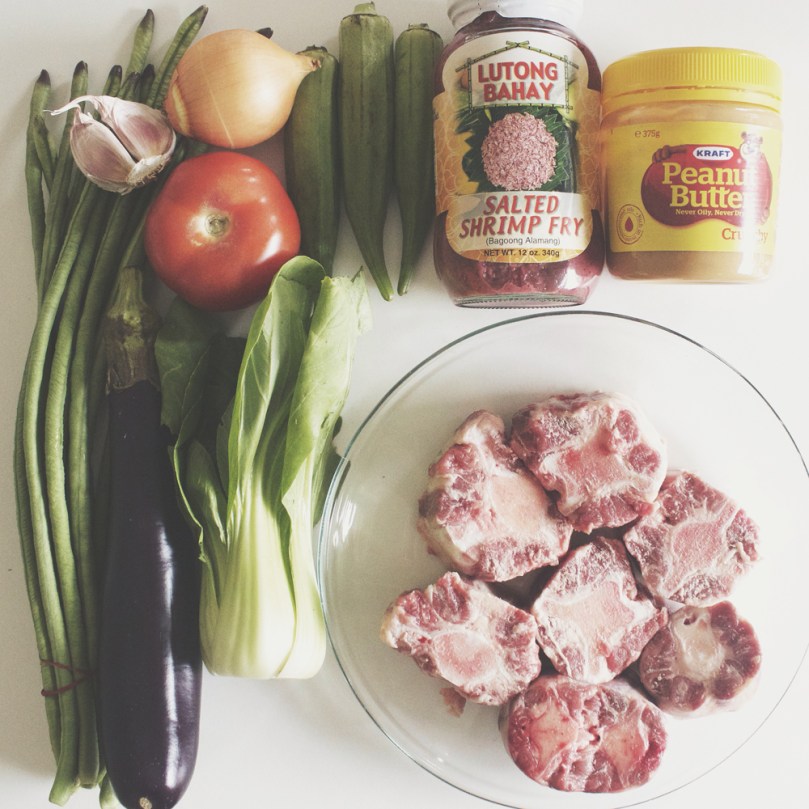
Oxtail Kare-Kare Ingredients

PREP TIME 10 MINS | COOKING TIME 1 HOUR 45 MINS | SERVES 4-6

INGREDIENTS

For the stew

  • 1kg oxtail, cut into rounds
  • 2 cups beef stock
  • 5 dried bay leaves
  • 3 garlic cloves, crushed then minced
  • 1 large onion, halved and then sliced
  • 1 tbsp crunchy peanut butter (a very generous tablespoon)
  • 1 tsp rock salt
  • 1 tsp whole black peppercorns
  • Ground salt and pepper
  • Buk Choy, separated
  • Eggplant, sliced diagonally
  • Long beans, cut into 1-inch long strings
  • Okra (lady fingers), whole and then sliced later once cooked

For the sautéed shrimp paste

  • 345g bagoong alamang (shrimp paste)
  • 3 garlic cloves, crushed then minced
  • 2 large tomatoes, diced
  • 1 large onion, halved and then sliced
  • 1 tbsp sugar

METHOD

  1.  Add the oxtail, bay leaves, rock salt and whole peppercorns to a large pot with about a litre of water, or enough to submerge the meat. Boil for about 1 to 1 and a half hours until tender. If you are using a pressure cooker (which I don’t have), 30-35 minutes should do the trick! Once the meat is tender, remove from the heat and set aside. Do not throw away the stock.
  2. While your meat is tenderising, move onto sautéing the shrimp paste. Heat oil in a medium-sized frying pan and sauté garlic and onions until fragrant. Add the tomatoes in and sauté until they have softened. Add the shrimp paste in and give it a good mix. Add in the sugar and let it simmer for about 5 minutes. Turn the heat off and set aside. You may need to heat it up again before serving.
  3. Heat oil over medium-high heat in another pot and sauté the garlic and onions until fragrant. Add the the oxtails, season with ground salt and pepper, and give it a good stir. Add the peanut butter to two cups of the stock and stir until the peanut butter has softened. Add the peanut butter mix to the oxtail and bring the heat to low. Let it simmer for about 8-10 minutes. If you want your stew to be less creamy and thick, add more stock to your liking.
  4. Meanwhile, bring a medium pot of salted water to a boil and cook your vegetables for no longer than 5 minutes. Drain and transfer the cooked vegetables to your oxtail stew just before serving. Serve hot with sautéed shrimp paste and enjoy!

Oxtail Kare-Kare

BON APPÉTIT

– Ally xx

myTaste.com

Honey & Lime Wings with Corn Salsa

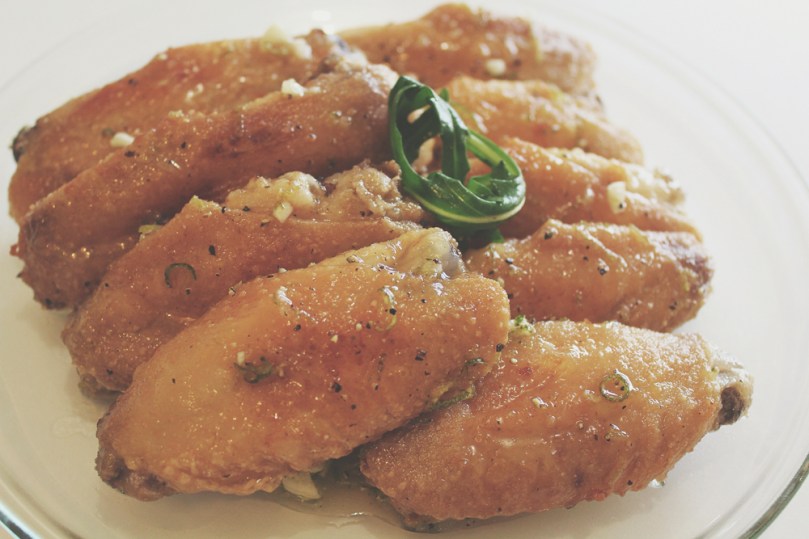
Honey & Lime Wings

Hello Everyone! So I made this dish two days back and I must say, it was finger-licking good that I just wanted to devour everything in one go! Note that I made enough for at least 3 meals so downing all of them in one go is actually a lot to eat! Oh well, at least I can enjoy this scrumptious meal for another 2 days.

Anyway, I think you can gather from previous posts that I love me some chicken wings! I don’t actually have much recipes for wings up my sleeves, so for today’s recipe I had to do a little bit of research, to find something new that I hadn’t really had before. I then came across this recipe from allrecipes for honey lime chicken wings. A few of the photographs on the recipe uploaded by others who tried out the recipe looked different, but nevertheless, I stuck to the original recipe and just added an extra step to the cooking process. I also served this dish with a lovely fresh corn salsa on the side (which again the recipe for will be posted separately from this the next day). So much yum!

Honey & Lime Wings Ingredients

PREP TIME 5 MINS | COOKING TIME 12-15 MINS SERVES 4-5

INGREDIENTS

  • 15 pcs chicken mid-wings, washed and cleaned
  • 1/4 cup Capilano honey and ginger blend
  • 1/4 cup vegetable oil, for shallow frying
  • 1 clove garlic, finely chopped
  • 2 tbsp plain flour
  • Juice and zest of 1 lime
  • Ground salt and pepper to taste

METHOD

  1. Preheat oven to 180C. In a medium-sized bowl, mix together the honey and ginger blend, lime juice, zest, garlic, salt and pepper. Set aside.
  2. Coat the chicken wings with a flour, salt, and pepper mix. Heat the oil in a large frying pan over high heat and fry the chicken wings until golden brown (about 2-3 minutes per side). Once golden, transfer to a lined baking tray and finish off in the oven for another 6-8 minutes or until cooked through.
  3. Place the cooked wings in the honey/lime mixture one by one and toss to coat well. Serve immediately with a side dish of your choice, in this case I served it with a nice serving of a fresh corn salsa.

Honey & Lime Wings

BON APPÉTIT

– Ally xx

myTaste.com

Stir-fried Gravy Beef with Chilli, Ginger & Shallot

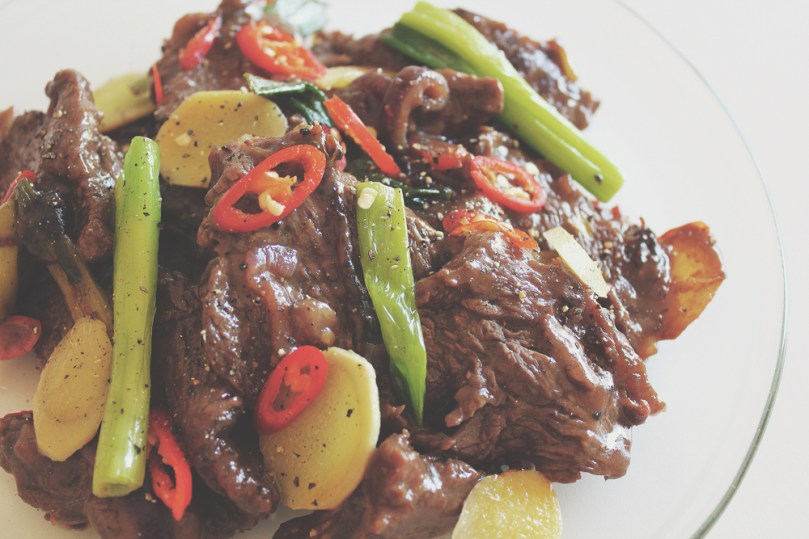
Stir-fried Gravy Beef with Chilli, Ginger & Shallot

Hello Everyone! I actually wasn’t planning on photographing and posting today’s dish as I kind of made it up on the go. I usually plan ahead the dishes that I want to make for the week to ensure that I have all the ingredients that I need for the upcoming week – saves me time of having to go back and forth the grocery shops if I forget one or two ingredients. I actually don’t have much in the fridge right now (in terms of accompanying ingredients for my meat).

Last night I took my beef shanks out of the freezer to defrost in the fridge overnight but still not knowing what I was going to make until later on the next day. I still had the pantry essentials, such as chillies, ginger, onions, and shallots – so I decided to whip up a beef stir-fry! I also had all of the ingredients to marinade the beef in so that was good! I kind of eyeballed the measurements though so forgive me if this recipe is too bland or salty; I’m just going to go off by remembering how much of each ingredient I added to the marinade, feel free to adjust though!

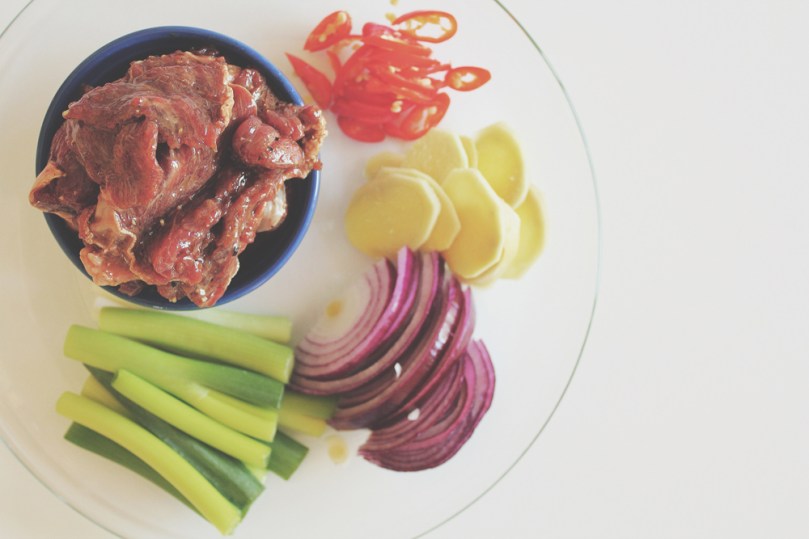
Stir-fried Gravy Beef with Chilli, Ginger & Shallot Ingredients

PREP TIME 1 HOUR | COOKING TIME 10-15 MINS SERVES 2-3

INGREDIENTS

For the marinade:

  • 300g beef shank, sliced thinly
  • 1 tbsp cornflour
  • 1 tbsp dark soy sauce
  • 1 tbsp light soy sauce
  • 1 tbsp oyster sauce
  • 1 tbsp sesame oil
  • 2 tsp shaoxing rice wine
  • Ground black pepper
  • 2 stalks spring onion, cut into 1-inch long strips
  • 2 red bird’s eye chillies, sliced
  • 1 thumb-sized ginger, peeled and sliced
  • 1/2 red onion, sliced
  • 3 tbsp Sunflower oil

METHOD

  1. Add all the ingredients for the marinade in a medium-sized bowl and mix together until combined. Cover the bowl with cling wrap and let the beef marinate for at least an hour before cooking.
  2. Heat the sunflower oil in a medium-sized frying pan over high heat. Add the green onions and ginger. Sauté for about 2 minutes. Then add in half of the chilli slices and onions, and cook for a further 2-3 minutes. Add the beef shank slices and toss to combine. Cook for a further 5 minutes, adding a little bit of water to loosen the sauce a bit. Cook for a further 3-5 minutes or until cooked through.
  3. Garnish with the remaining chillies and serve with steamed rice and asian greens.

Stir-fried Gravy Beef with Chilli, Ginger & Shallot

BON APPÉTIT

– Ally xx

myTaste.com