Congee with Minced Pork & Century Egg

Congee with Minced Pork & Century Egg

Hello Everyone! So continuing on with the idea of porridge from Tuesday’s post, I decided to whip up a classic congee dish. The origins of congee are unknown, but several historical accounts have shown that this dish was served during times of famine as a way to stretch the rice supply in order to feed more people. Despite that, congee is one of the traditional Chinese foods that has a history dating back to thousands of years in China. It is now a largely popular dish in many Asian countries and though it has many variations, its base is usually a thick porridge of rice that has been cooked in water or stock for a prolonged time. When it is eaten as a plain rice congee, you often eat it with other side dishes, but when additional ingredients such as meat and other flavourings are added, it can be a meal on its own. Depending on your cultural background, congee is eaten as a substitute for rice, but is known to be primarily eaten for breakfast or late supper. It is also considered suitable for young children or for those who are ill as it is a mild and easily digestible dish.

Now before I go on to the recipe, I thought I’d talk a little bit about what a century egg is. For those of you who don’t know, century egg (also know as a preserved egg), is a Chinese delicacy traditionally made by preserving duck, chicken, or quail eggs, in a mixture of clay, ash, salt, quicklime, and rice hulls for several weeks, or even months. Through this process, the yolk turns dark green to grey in colour, acquiring a creamy consistency and a strong flavour. On the other hand, the egg white becomes jelly-like and translucent, dark brown in colour, and salty in flavour. I know what you’re thinking, sounds disgusting right? I’ll be honest with you, it took me a while to be able to get over its looks and smell. I still don’t love it, but it’s definitely good with congee! To prepare these eggs for the congee, you simply just have to wash off the mixture of clay, ash, salt, quicklime, and rice hulls that cover the egg. I recommend washing it outside as to not clog your sink with all the residue. Tap the eggs on a countertop until covered in cracks, and then peel the shell off.
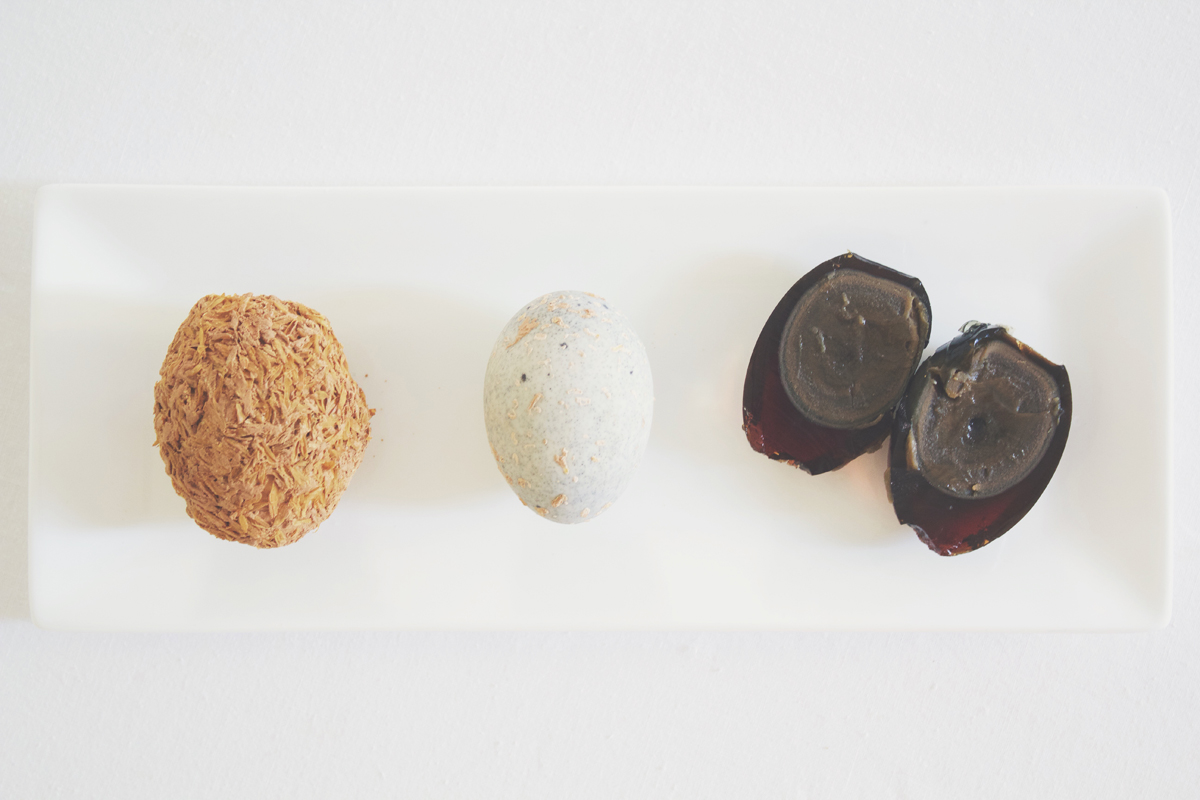
Preserved Century Egg

As mentioned before, there are many variations in which you can have your congee; plain or dressed up with your favourite ingredients – it’s all up to you really! At breakfast/brunch buffets (that’s when I usually indulge in some yummy congee), you’re given a selection of toppings to accompany your plain congee. I usually go for the whole works which included century egg, fried cha kueh (deep fried dough), crispy fried shallots, spring onion, and some sesame oil.

Congee with Minced Pork & Century Egg Ingredients

PREP TIME 10 MINS | COOKING TIME 45-60 MINS | SERVES 6-8

INGREDIENTS

  • 250g lean minced pork
  • 2.5L homemade or store-bought chicken broth
  • 2 cups rice, uncooked*
  • 2-3 century eggs
  • 2-3 garlic cloves, minced
  • 2-3 shallots, sliced thinly into rings
  • 1 cha kueh**, sliced thinly
  • 1 small bunch spring onions, chopped
  • 1 thumb-szied ginger, peeled and sliced
  • 6 tbsp vegetable oil
  • Fish sauce, to taste
  • Ground salt and black pepper, to taste

*You can also start with cooked rice, adding chicken broth and adjusting the amount of liquid to achieve the desired consistency. Make sure that when the rice has swelled, mash it a bit to help it break down.

**Cha Kueh (You Cha Kueh) is a Chinese deep-fried dough that is chewy yet crispy; a delicious snack that is normally paired with coffee or tea in the mornings or afternoons. There is a certain level of skill and expertise needed to knead the dough to the right consistency, as well as deep-frying techniques, to make the perfect cha kueh. So, if you want, you can make your own cha kueh, or if it’s readily available in stores nearby, then you can just buy it already cooked. I guess croutons can also substitute if both are not an option for you, or you can leave this element out completely. I like to include it in my congee for an added texture of crunch.

METHOD

  1. Bring a large pot of the washed, uncooked  rice and chicken broth to a simmer over medium heat. Once it starts simmering, reduce the heat down to low. Stir occasionally to avoid the rice sticking to the bottom of the pot and burning. Simmer until the rice has softened, broken down, and the mixture is creamy with the consistency of a porridge, about 45 to 60 minutes. If you need to, add more chicken broth to adjust the consistency as it cooks.
  2. While the rice is cooking, you can move on to preparing the minced pork and shallots. In a medium-sized frying pan, heat the vegetable oil over medium-high and add the sliced shallots in. Cook, stirring continuously, until the shallots are golden and crispy; it should take about 5 minutes altogether. If you need to, adjust the heat so that they do not burn. Once done, transfer the shallots to a heatproof bowl.
  3. In the same pan with the oil, add in the slices of cha kueh and fry until golden and crispy, about a minute per side. Transfer to a plate lined with a paper towel to soak up the excess oils.
  4. In the same pan again with about a tablespoon of the oil, fry up the ginger slices until fragrant, then add in the garlic and sauté until golden and fragrant, about 2-3 minutes altogether. Add in the minced pork and season with a bit of salt and black pepper. Give it a good mix, breaking up the pork into small pieces as it cooks, and then leave it until cooked through and browned, about 8-10 minutes.
  5. When the porridge is ready, stir in the pork and season to taste with some fish sauce. Divide the porridge equally into individual-sized bowls and top with the century egg, fried cha kueh, crispy fried shallots, and spring onion. Serve immediately and enjoy!

This slideshow requires JavaScript.

BON APPÉTIT

– Ally xx
myTaste.com

Arroz Caldo (Chicken Rice Porridge)

Arroz Caldo (Chicken Rice Porridge)

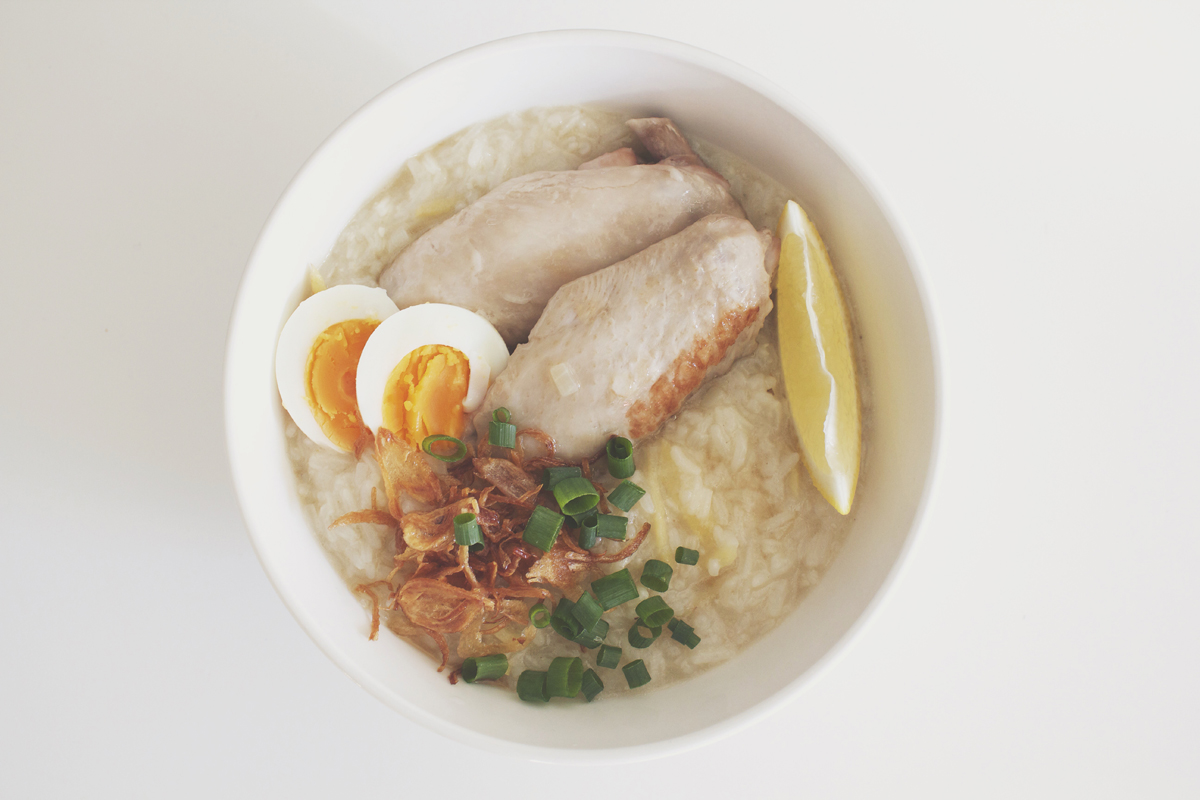
Hello Everyone! Today’s recipe is a dish that is quite well-known in the family, and across the Philippines I presume, as the go to dish when someone is feeling under the weather. In our house, you’d know when someone is sick with the flu when you see this dish on the table for everyone to eat; yes that’s right, you don’t have to be the sick one to have a bowl of arroz caldo! However, besides it well-known as the go to dish for the sick, arroz caldo is also a common breakfast dish as it can be quite filling, providing you with the energy that you’d need to last you until lunch time. It can also be a snack (merienda) dish with tokwa’t baboy (a dish composed of boiled pig’s ears and/or pork belly, and fried tofu with a vinegar, soy sauce, and chilli dip on the side).

Arroz Caldo is actually of Chinese origin as it draws resemblance to a type of risotto-like congee. The name of this dish however, was given by the Spaniards due to pronunciation issues. The dish is also similar to other Filipino porridges such as lugaw and goto, the only distinguishing ingredient would be that arroz caldo mainly uses chicken while goto requires the use of tripe, beef, and innards. Lugaw on the other hand, is as plain as it can get.

So I made this dish back when I was in Sydney, a few weeks before I left in early August. I was staying at Marissa’s place for the time I was there and we both fell ill at one point during my stay. I can’t quite remember who fell sick first and who gave who the sickness, but all I remembered was that I made this dish for the both of us. I even told her the story behind this dish and she even made mention that they have a similar Vietnamese dish known as Cháo Ga (also fed to those who were feeling under the weather).

Arroz Caldo (Chicken Rice Porridge) Ingredients

PREP TIME 10 MINS | COOKING TIME 45 MINS | SERVES 4-6

INGREDIENTS

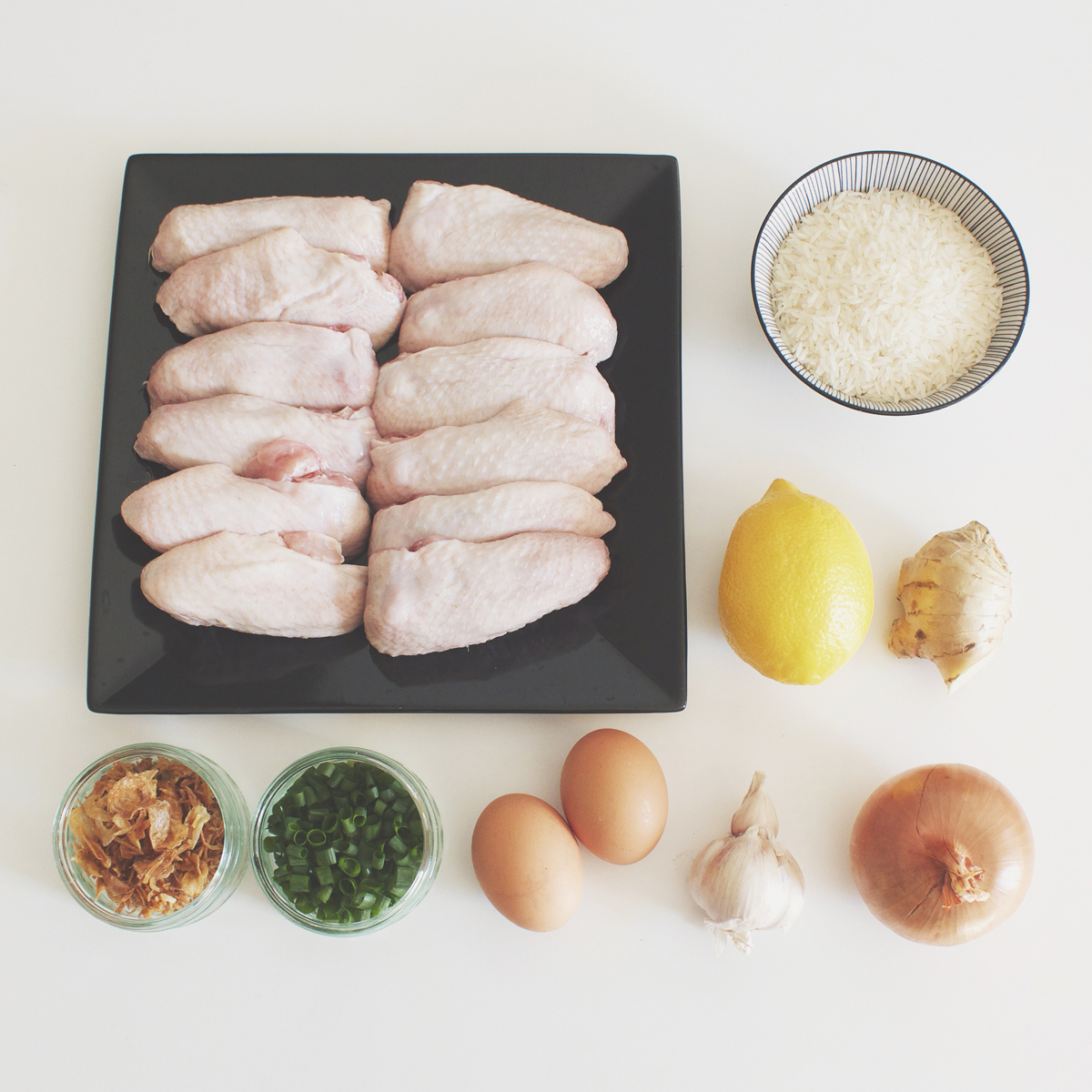
  • 500g chicken mid-wings, washed and cleaned
  • 1.5L water
  • 2 cups rice, uncooked and washed
  • 4 large free range eggs, hard-boiled and sliced
  • 2-3 garlic cloves, minced
  • 1 large brown onion, sliced
  • 1 lemon (or calamansi if available)
  • 1 thumb-sized ginger, julienned
  • 2 tbsp fish sauce
  • 2 tbsp vegetable oil
  • 2 tsp chicken stock powder
  • Ground black pepper to taste
  • Crispy fried shallots
  • Spring onions, sliced

METHOD

  1. Heat the vegetable oil in a large pot over medium-high. Add the ginger and fry until fragrant, then add in the garlic, sautéing until fragrant and golden brown. Then add in the onions and cook until soft, altogether about 2-3 minutes.
  2. Add the chicken mid-wings to the pot and season with the chicken stock powder and ground black pepper. Give it a good mix and cook for about 6-8 minutes or until the outer layer of the chicken starts to brown. Then add in the water and bring to a boil. Once boiling, cook for a further 5 minutes and then scoop out the chicken mid-wings and set aside*.
  3. Add the washed, uncooked rice and mix well, stirring occasionally. Turn the heat down to low-medium and leave it to simmer until the rice is fully cooked (about 30 to 40 minutes). Stir occasionally just to make sure that the rice doesn’t stick to the bottom of the pot. In the last 10 minutes of cooking time, you may return the chicken mid-wings to the pot to heat them up again before serving the dish.
  4. Taste and if the porridge needs a bit more seasoning, add some fish sauce and adjust to your liking.
  5. Divide the porridge into bowls equally and top with the chicken and sliced hard-boiled eggs. Garnish with a pinch of crispy fried shallots, spring onion, and a squeeze of lemon juice (you may add some saffron threads for aroma and colour).
  6. Serve hot and enjoy!

*You don’t usually scoop the chicken out, but because I didn’t want the chicken to become too soft and start breaking apart, so I took them out. The reason is just because I don’t want them to look aesthetically displeasing on the dish for the photograph really. Otherwise, leaving them in until they fall of the bone is what you would like to achieve with this dish.

Arroz Caldo (Chicken Rice Porridge)

Arroz Caldo (Chicken Rice Porridge)

BON APPÉTIT

– Ally xx

myTaste.com

Iku Wholefood

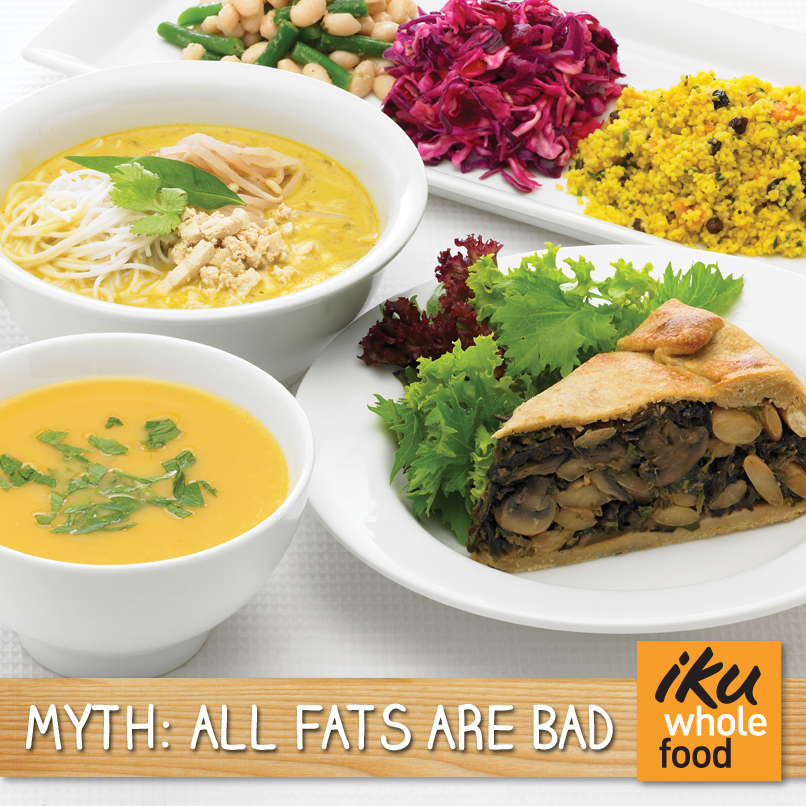
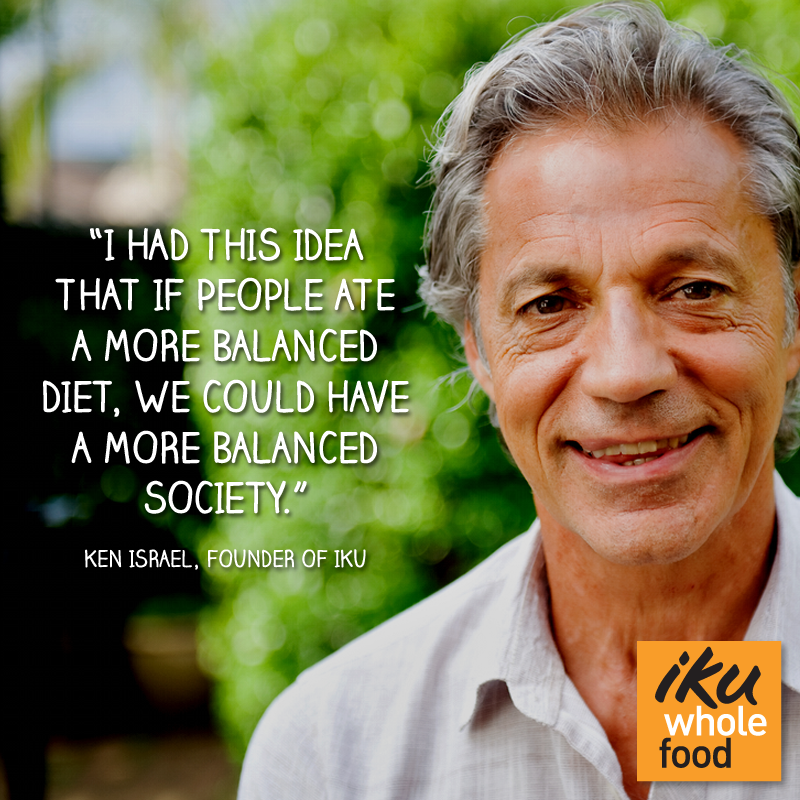
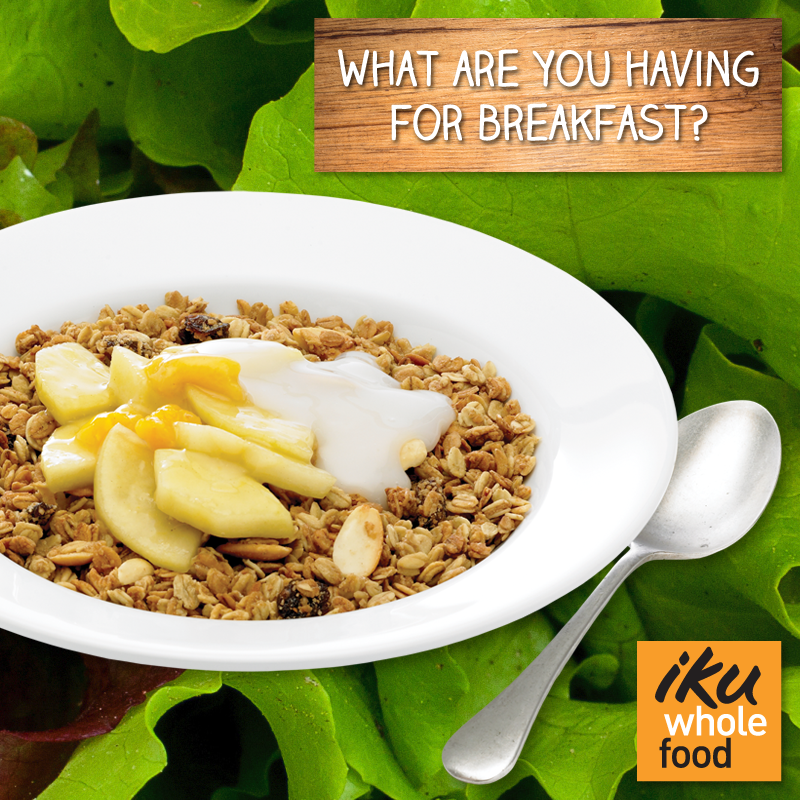
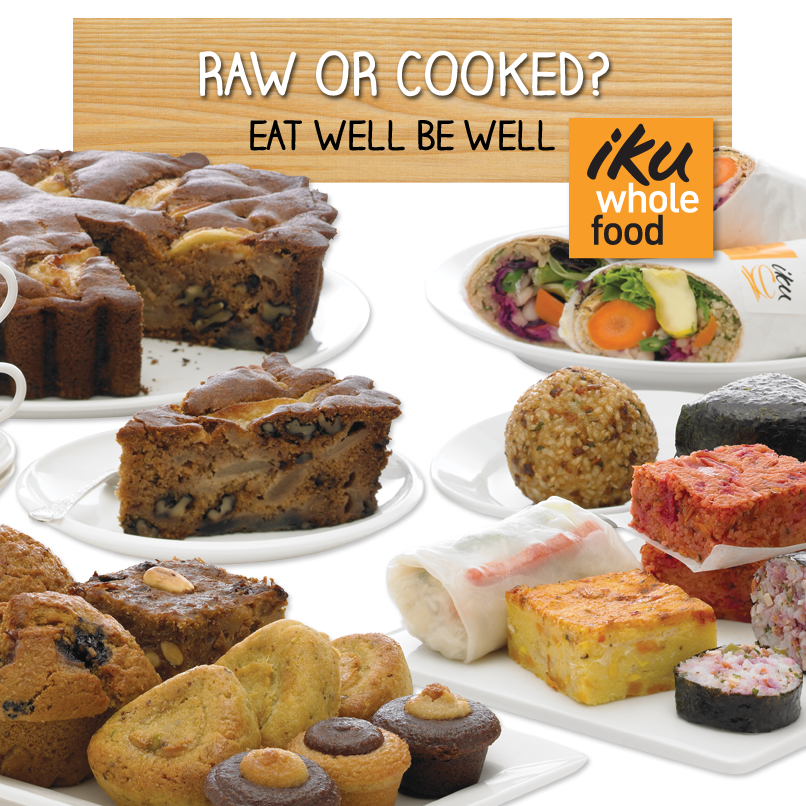
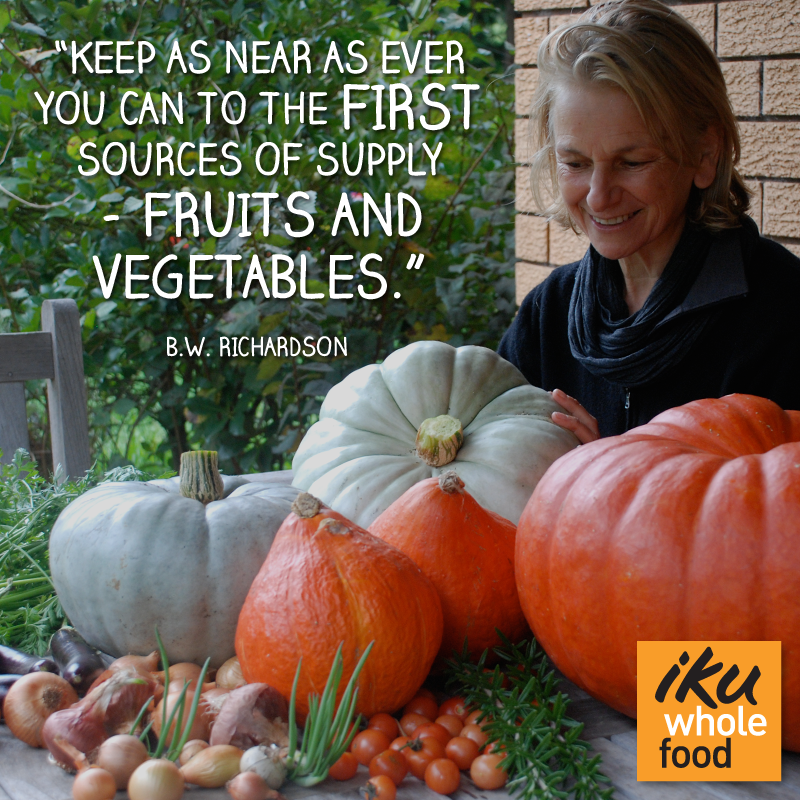
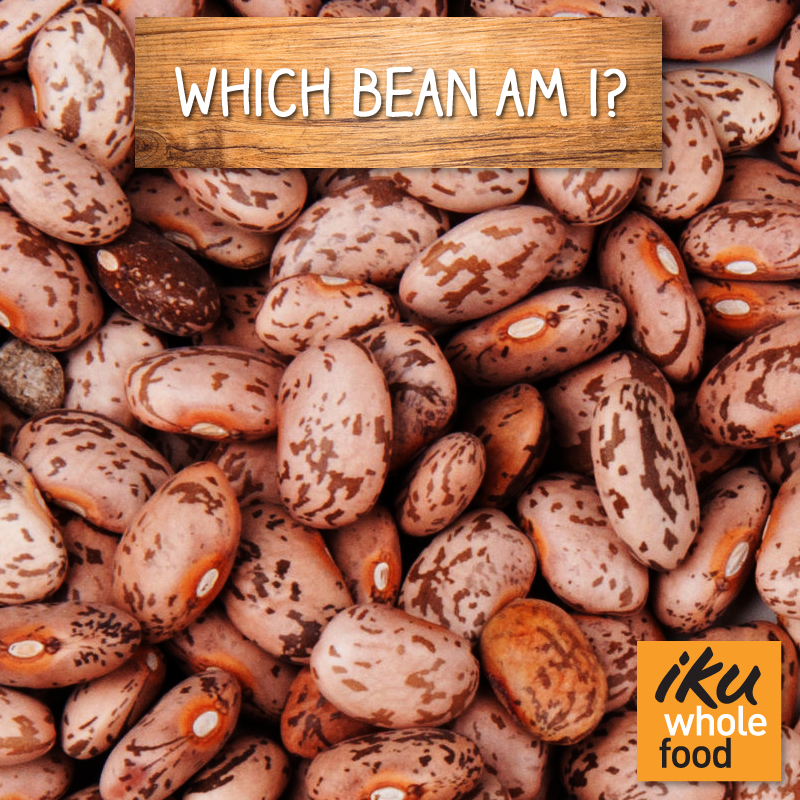
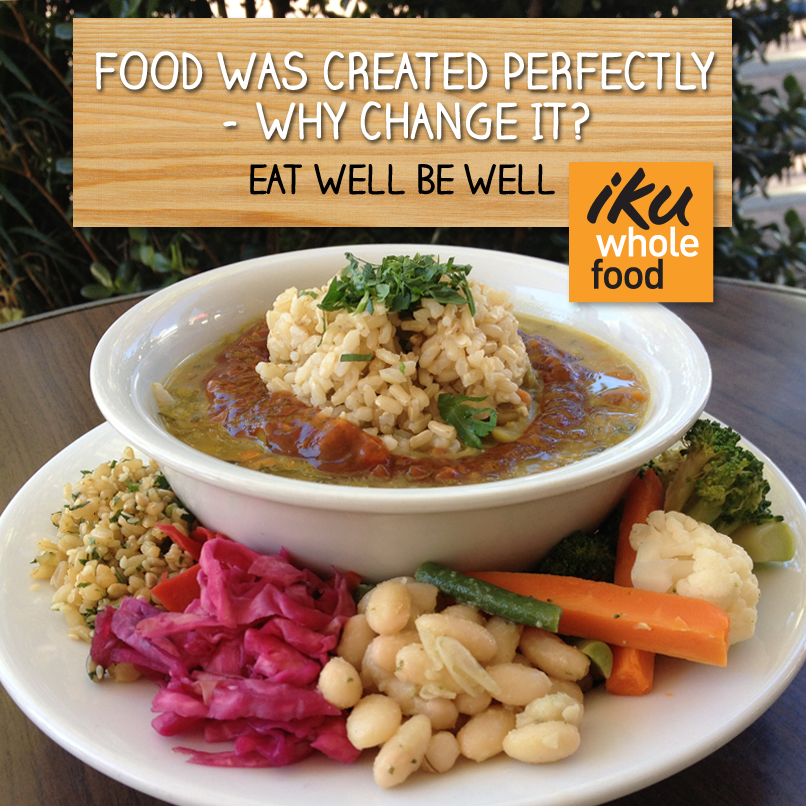
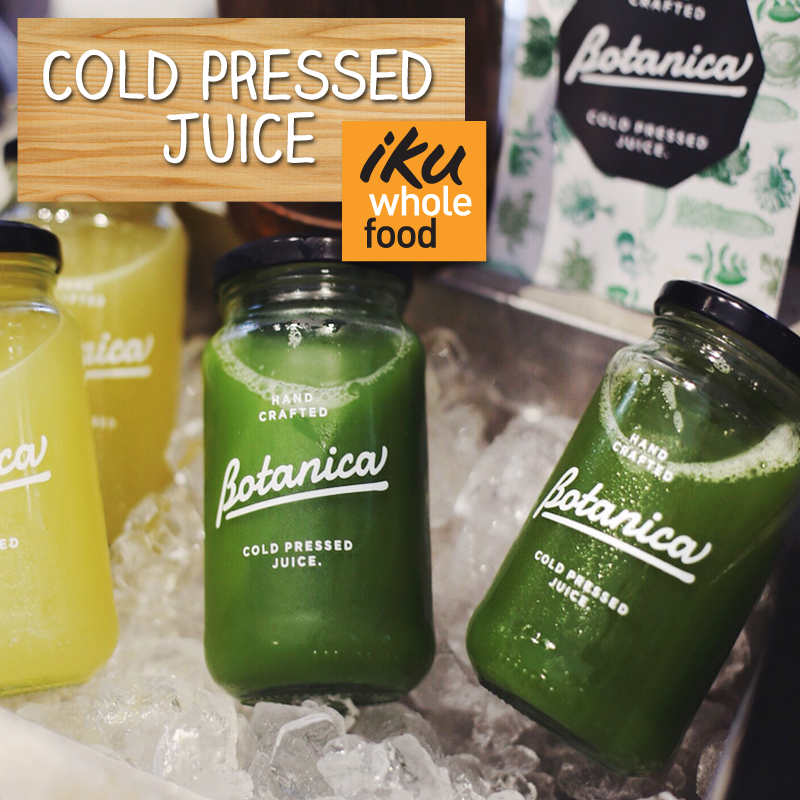
Iku Wholefood believe that nutritious food is essential for good health and vitality: Food that is natural, wholesome, authentic, freshly prepared and tasty. The style of graphic content that they want push through on Facebook and other social media platforms, are Natural & Organic – which as advised from the founder of Iku, a lot of green, and wood textures. This is to conceptually portray the message that all their foods are dairy free, additive free, preservative free, animal free, and free from genetic modification.

Iku Wholefood Context


Examples of graphic works that I have created for Facebook and Instagram:
(Click on the images to see an enlarged version of the graphics)

Iku Wholefood: Myth Iku Wholefood: Fast, Healthy Food Iku Wholefood: Well Being Iku Wholefood: Ken Israel
Iku Wholefood: Breakfast Iku Wholefood: Raw or Cooked? Iku Wholefood: Quotes BW Richardson Iku Wholefood: Beans
Iku Wholefood: Food was created perfectly Iku Wholefood: What's your story? Iku Wholefood: Cold Pressed Juice Iku Wholefood: Balanced Diet

– Ally xx

Breakfast Plate

Breakfast Plate

Hello Everyone! I can’t believe that it’s already October! Where did September go?! So I’m sure all of you are aware that a new month calls for a new theme on the blog for the month of October! Those of you who know me, I am a breakfast/brunch person. I mean, I sometimes skip breakfast when the mornings just get a little too hectic for me; that was during my first few years at uni, but towards the end, I made it a habit to pack my breakfast to uni and/or work and eat it there.

I remember my internship days at Hello Social where I’d always be rushing out in the mornings to catch my bus, which therefore meant that I didn’t have time to sit down and enjoy my breakfast. That was where Muffin Making Mondays with Jialing came in, and when I had run out of muffins to take to work (because we only bake fortnightly), I would pack some fruits and even sometimes a small tupperware of cinnamon toast cereal with one of those small drink cartons of milk. When I’d get to the office, I’d pour the milk over my cereal and enjoy breakfast at my table. There was a time where one of the managers asked me what I was having for breakfast and the thought of me bringing a small carton of milk made her laugh so hard. I told her it was practical 😛 Another time when I was also having cereal, my other manager asked if what I was having was shareable; to his dismay, cereal ain’t shareable! He asked what kind of cereal I brought in and I said cinnamon toast. The other manager said that that was so American of me.

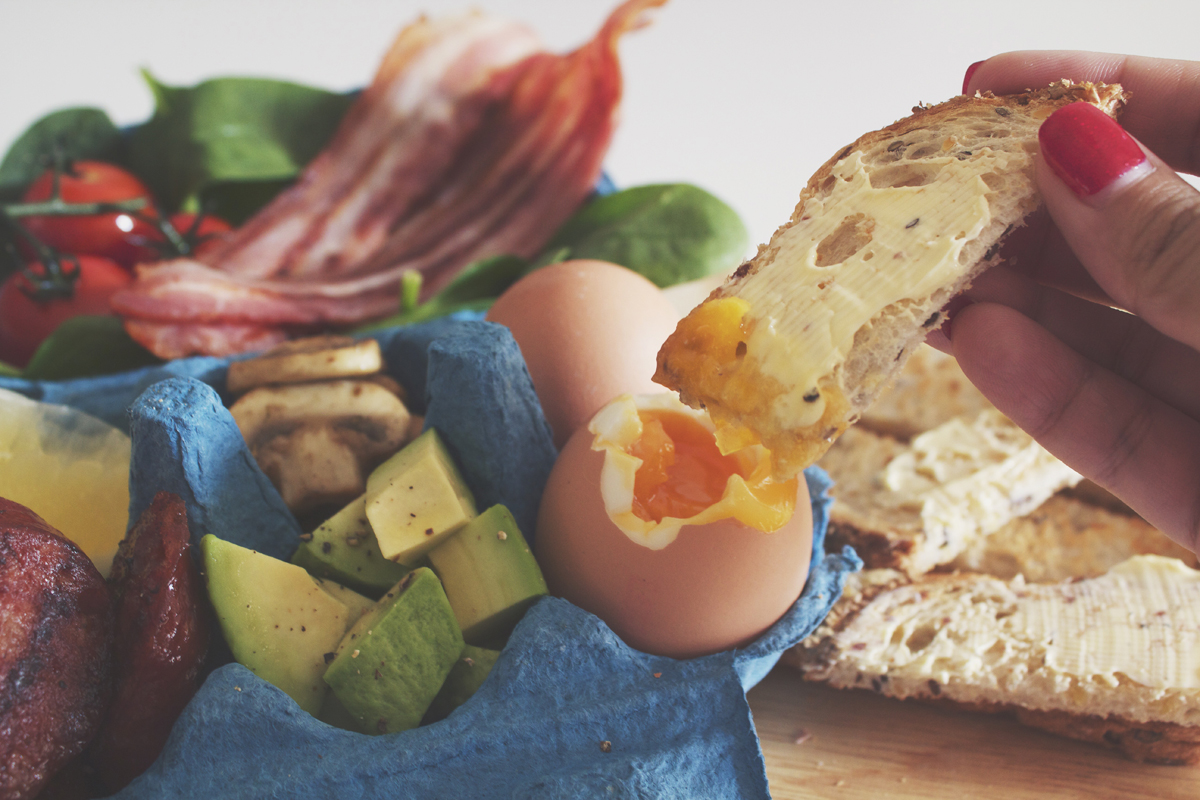
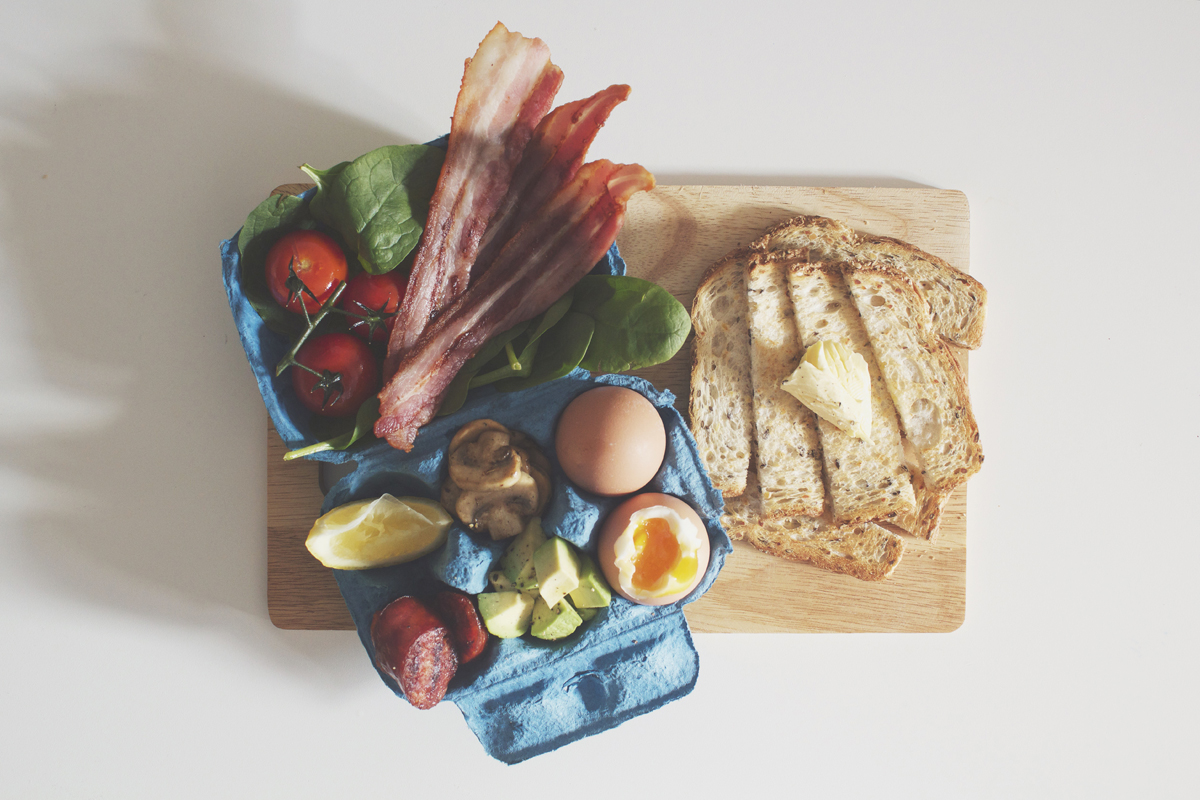
Anyway, I mean, if you didn’t already gather what this month’s theme is from my little story, yes it’s breakfast and brunch month on the blog! For the month of October I will be sharing with you some of my favourite breakfast/brunch recipes! I’ll be kicking off tonight’s post with a dish that I threw together when I was still living in Sydney. I was inspired by a post that I saw on Instagram by Raw Pawpaw Café in Brisbane. I was inspired by their plating of one of their dishes, and decided to plate it up with a few of my favourite ingredients for breakfast. I think most of the preparation of the ingredients in this dish is pretty straight forward, and you can get creative yourself by mixing up the ingredients a bit by adding your own favourite breakfast ingredients!

Breakfast Plate Ingredients

PREP TIME 5 MINS | COOKING TIME 20-22 MINS | SERVES 1

INGREDIENTS

  • 2-3 slices of soy & linseed bread, toasted
  • 2 bacon rashers
  • 2 large free range eggs, at room temperature
  • 1 chorizo sausage, thick slices
  • 1/2 avocado, cut into chunks
  • Bunch of grape vine tomatoes
  • Butter, for spreading
  • Ground salt and black pepper to taste
  • Handful of cup mushrooms, sliced
  • Handful of loose baby spinach leaves
  • Lemon wedges, to serve
  • Olive oil

METHOD

  1. In a small bowl, marinate the avocado chunks with a little bit of olive oil, salt, pepper, and lemon juice. Set aside.
  2. Preheat oven to 200C. Line a baking tray with aluminium foil and toss the grape vine tomatoes in a little bit of olive oil and salt. Roast in the oven fro about 10 minutes, or until the tomatoes have gone soft. Turn the temperature down to about 80-90C just to keep them warm before serving.
  3. Meanwhile, heat a large grill pan over medium high and cook the bacon rashers and chorizo slices, about 3 minutes per side. Once done, transfer to the baking tray and keep warm in the oven.
  4. Add your sliced mushrooms to the same grill pan and cook until browned and softened, about 4-5 minutes altogether. Turn the heat off and transfer to the baking tray and keep warm in the oven.
  5. Place the eggs in a small saucepan, covering the eggs with cold water. Bring to a boil over high heat, and once boiling, reduce the heat down to medium. Simmer gently for about 3 minutes. Remove the saucepan from the heat and using a slotted spoon, transfer to the egg carton.
  6. Plate up accordingly and enjoy your breakfast!

Breakfast Plate

Breakfast Plate

Just a little side note here before I end tonight’s post – I wanted to choose an egg carton that wasn’t grey just so that it doesn’t look dull. I must say it was hard choosing eggs based on the colour carton they come in because most of the non-grey ones were caged eggs (yes, I don’t buy caged eggs). Good thing these eggs that came in the blue carton were free range, and the blue really suited the plating and contrasted the food colours nicely.

BON APPÉTIT

– Ally xx

myTaste.com